Turn Your Sunroom Into a Lush Texas Plant Retreat
A sunroom can be more than a bright sitting area. With the right design, it can become a true plant room where your favorite greenery stays happy while the Texas heat and summer storms stay outside. You get the calm of a garden, plus the comfort of indoor seating, all in one space.
Greenhouse builders in Texas think about sun, heat, and humidity every single day. That same experience works perfectly for turning an ordinary patio or sunroom into a plant-friendly retreat. We will walk through how climate, glass choices, shade, airflow, layout, and smart features all work together so your plants and your family can enjoy the space all year.
How Texas Climate Shapes the Perfect Plant Room
Texas weather keeps plants on their toes. We get strong sun, long hot spells, and quick, heavy storms. Even in a warm climate, those swings can stress plants, especially ones that sit close to glass or concrete.
This is why greenhouse builders in Texas think about heat management first. For a plant-focused sunroom, that usually means planning around:
- Insulation that slows down heat build-up
- Ventilation that lets hot air move out
- The direction your sunroom faces and how much direct sun it gets
The direction of your sunroom makes a big difference. Here is how we often think about it:
- South-facing: Lots of light, great for sun-loving plants but needs careful shade and ventilation
- West-facing: Harsh late afternoon sun, good for tough plants if you add shade and maybe a patio cover
- East-facing: Gentler morning sun, nice for a mix of plant types
- North-facing: Softer light, better for ferns and shade lovers
Overhangs, roof extensions, or patio covers can help block the highest, hottest sun while still letting in gentle morning and evening light. That balance is the key to keeping leaves from burning while still giving plants the brightness they need to grow.
Light, Glass, and Shade: What Greenhouse Pros Get Right
Light is the heart of any plant room. Too little, and plants get thin and weak. Too much, and leaves scorch. The type of glass or panel you choose shapes both the light and the temperature inside.
Common glazing options for sunrooms include:
- Single-pane glass, bright but can get very hot and lose cool air faster
- Double-pane glass, more stable temperature and more comfortable for people and plants
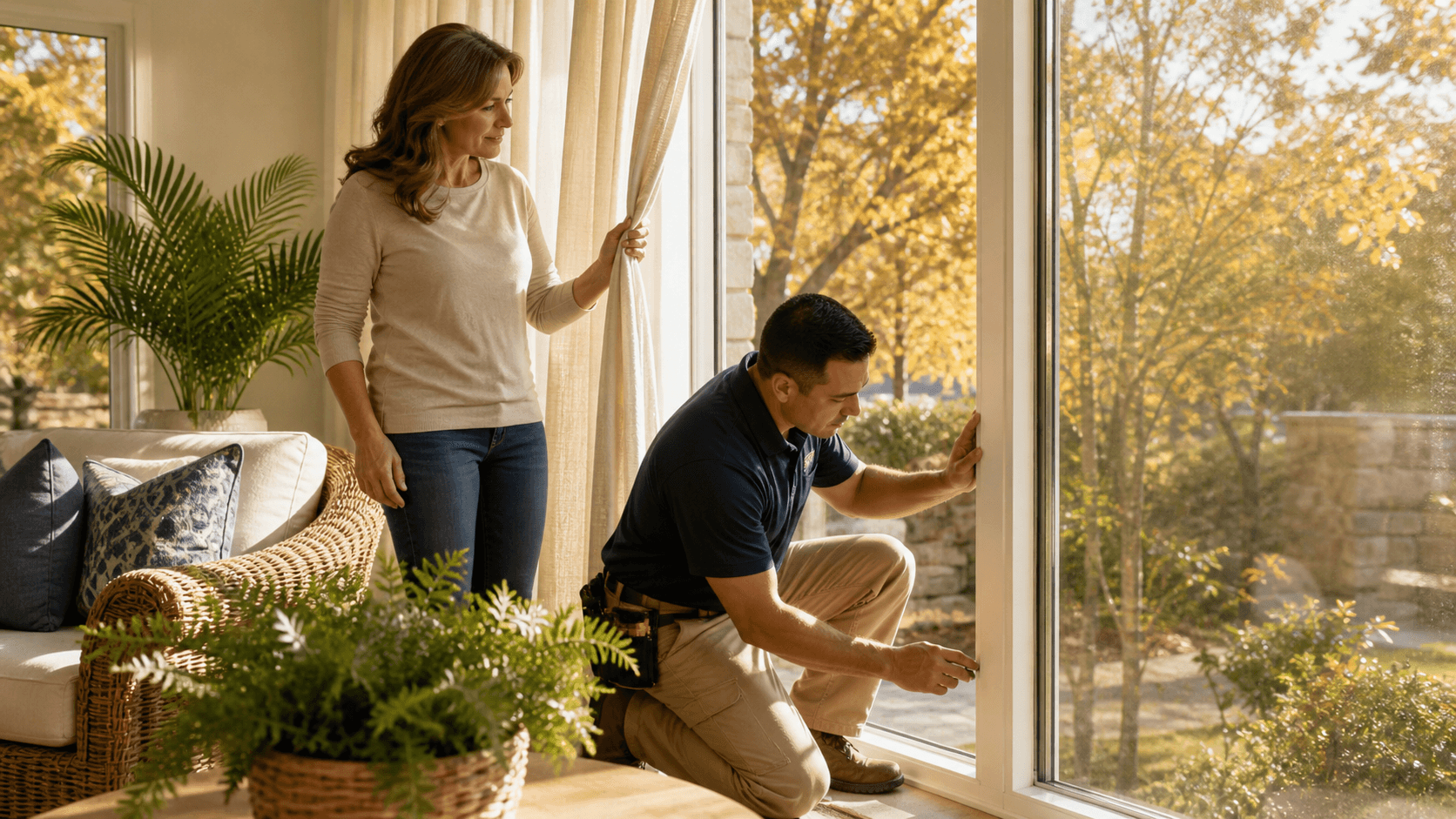
- Low-E glass, helps cut heat gain and glare while still letting in light
- Polycarbonate panels, lighter weight and can soften strong sun for a more diffused light
Greenhouse builders in Texas often layer light control. They treat the glass as step one, then add shading as needed. We like flexible shade options so you can adjust as the sun moves and seasons change:
- Tinted glass to gently reduce glare and heat
- Interior shades or blinds you can pull during peak sun
- Exterior solar screens that stop heat before it reaches the glass
- Strategic plant placement, using taller plants to shade more sensitive ones
Inside the room, it helps to think in zones. You might:
- Place sun-loving plants like succulents near south or west windows
- Keep medium-light plants slightly back from the glass
- Reserve corners, north-facing glass, or spots behind taller plants for shade lovers
With a layout like this, you are not fighting the Texas sun; you are working with it.
Ventilation, Humidity, and Temperature Control Made Simple
Good airflow is nonnegotiable in a plant room. Still air can lead to mold, mildew, and pests, and it makes the space less comfortable for people too. Greenhouse builders in Texas often combine several simple tools to keep air moving.
For a sunroom plant room, we usually look at:
- Operable windows that can be cracked open on mild days
- Transom windows near the top of the wall to let hot air escape
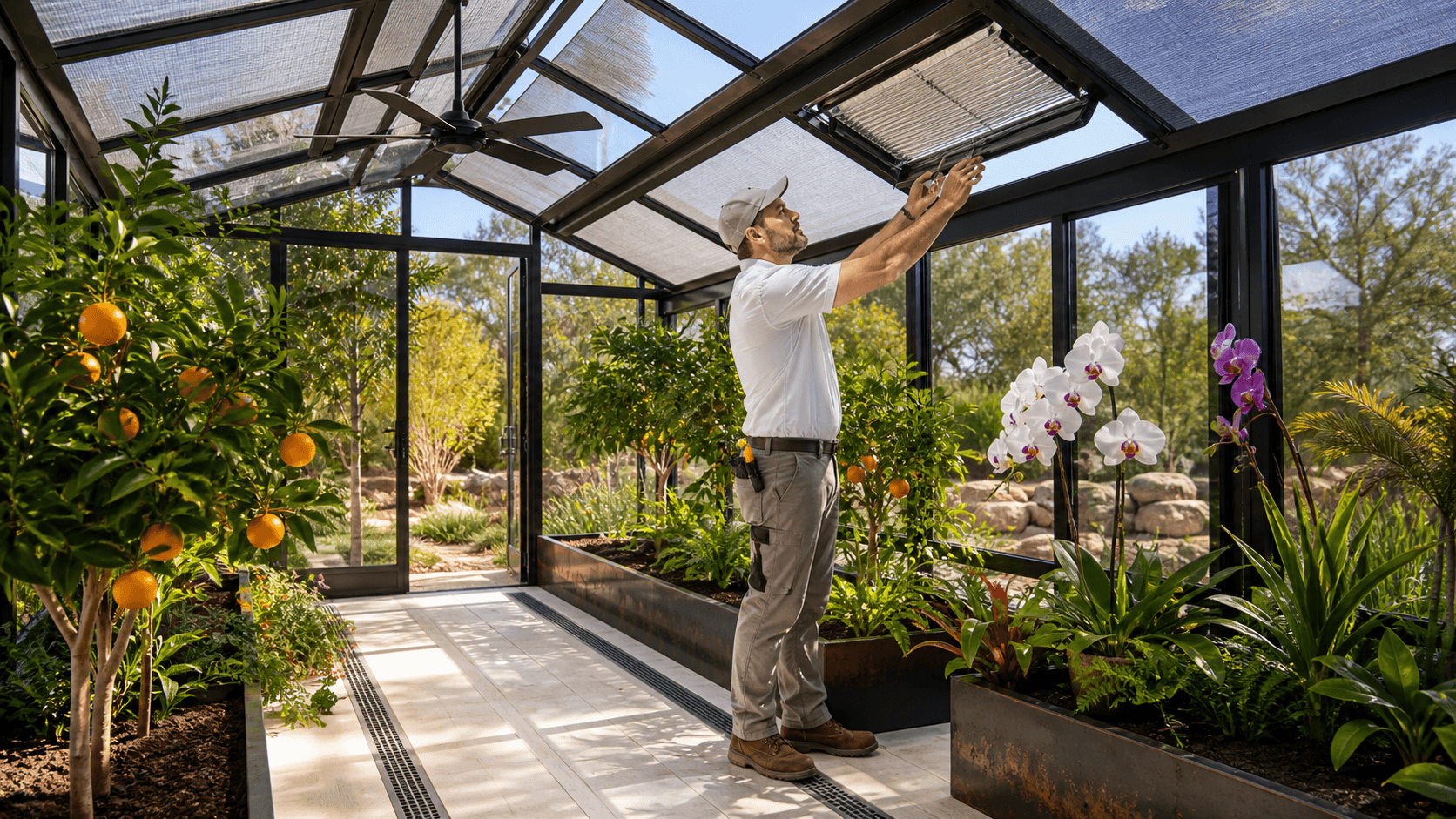
- Ceiling fans to keep air moving without chilling plants
- Vented skylights to release heat that rises to the roof
For many homes, a dedicated AC or mini-split system for the sunroom gives you better control. It can keep afternoon heat from spiking and help plants avoid stress from big temperature swings.
Humidity is another piece of the puzzle. Many plants like higher moisture in the air, but you do not want damp, soggy walls or floors. Some plant-friendly habits include:
- Grouping plants so they share moisture from their leaves and soil
- Using pebble trays or shallow dishes under pots to add a bit of humidity
- Choosing flooring and trim that can handle occasional splashes and wet pots
The goal is a fresh, airy feel, not a steamy greenhouse, so we balance humidity with strong airflow.
Smart Layouts and Features for Everyday Texas Living
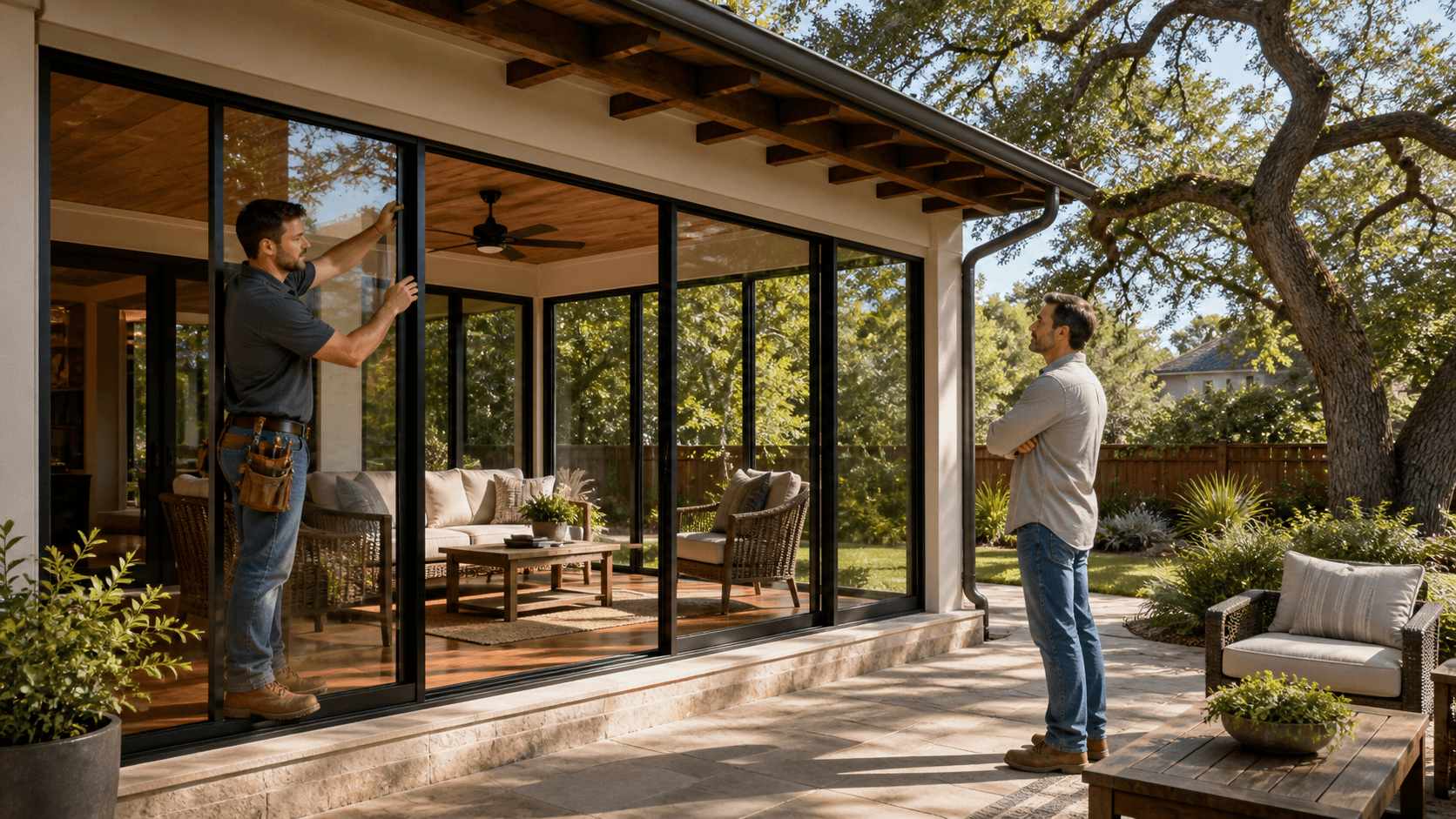
A plant room should still feel like part of your home, not just a storage zone for pots. With the right layout, you get a restful indoor-outdoor retreat that also happens to be your favorite spot for greenery.
Start by thinking about how you move through the space:
- Clear pathways so you are not bumping into pots
- Seating that enjoys the view without shading plants that need light
- A spot near a door for plants that move in and out seasonally
Greenhouse builders often recommend built-in details that make day-to-day care easier, such as:
- Raised benches so you are not always bending to floor level
- Durable, non-slip flooring that is easy to sweep and can handle wet spots
- Integrated shelving that takes advantage of vertical space
- A nearby water source or hose bib for quicker hand watering
Late-summer in Texas can be long and intense, so it helps to think ahead. As you plan your plant room, you might:
- Set aside a cooler corner for plants that stress in late-season heat
- Plan a bright but protected area for overwintering container plants from your patio
- Use movable plant stands and light furniture so the room can shift with the calendar
This kind of flexible setup means your sunroom can serve you and your plants all year, from back-to-school season to holiday gatherings.
Bring Greenhouse-Level Design Into Your Sunroom
A basic patio enclosure is fine for shade and extra space, but a true plant room calls for more thoughtful planning. By borrowing ideas from greenhouse builders in Texas, you can get better comfort, longer-lasting materials, and a space that keeps plants thriving instead of just surviving.
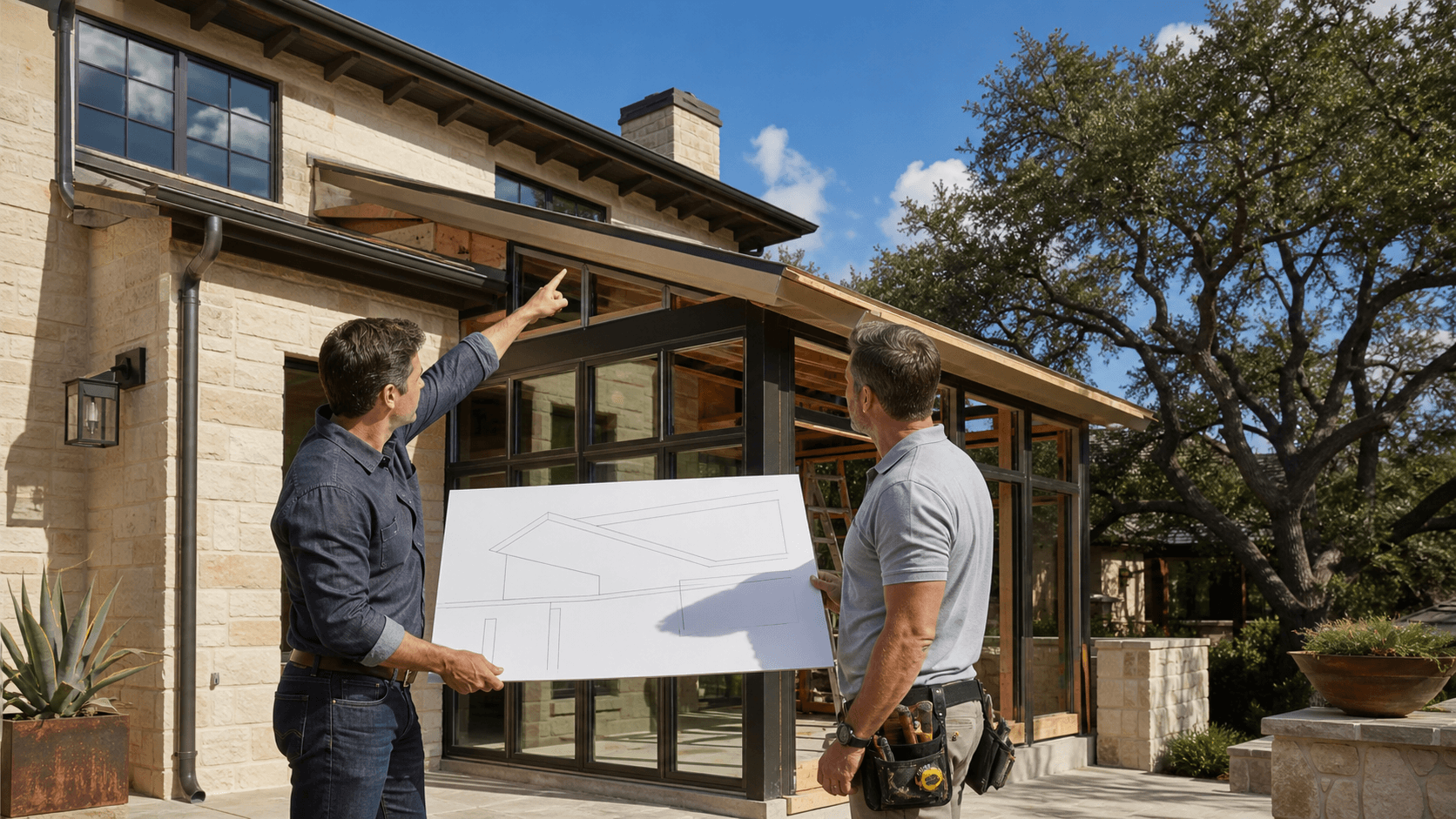
The first step is to really notice how your current patio or sunroom behaves. Watch how the light moves through the day, where the hot spots appear in the afternoon, and which corners feel cooler or more sheltered. Those details tell us where a plant wall might work, where a bench would feel best, and what kind of glass, shade, and ventilation would fit your home.
When you blend that careful observation with greenhouse-inspired design, a simple patio can turn into a bright, green room that feels good every time you step inside.
Get Started With Your Project Today
Let our team at Creative Sunrooms help you design a greenhouse that fits your space, your plants, and your lifestyle. As experienced greenhouse builders in Texas, we guide you through every step, from initial concept to final installation. Share your ideas, photos, and questions, and we will provide recommendations tailored to your goals and budget. If you are ready to talk details or schedule a consultation, simply contact us today.