Give Your Sunroom a Roofline That Feels Original
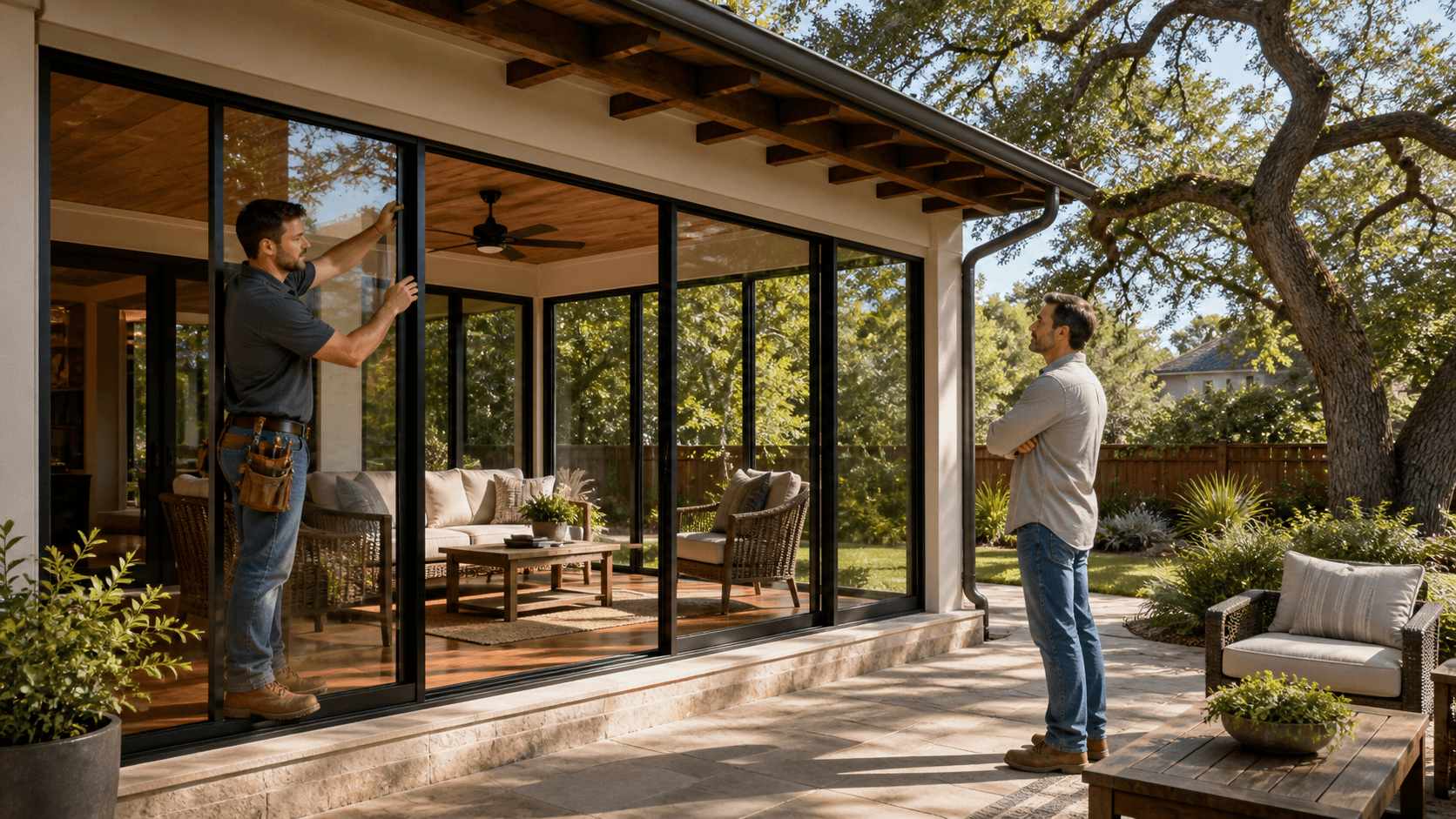
A sunroom roofline can make the difference between an addition that feels natural and one that looks tacked on. When we plan sunroom additions in Austin, we look at the roof early because it shapes the room's comfort, curb appeal, drainage, and connection to the rest of your home.
The best designs feel like they have always belonged there. That means considering how the new roof will meet the existing home, how it will handle strong Texas sunshine, where rainwater will go, and how much ceiling height you want inside. Fall is a smart time to think through these details. October brings a welcome change of pace, holiday gatherings are ahead, and the next hot summer will be here before long.
Match Pitch and Materials to Austin Roofs
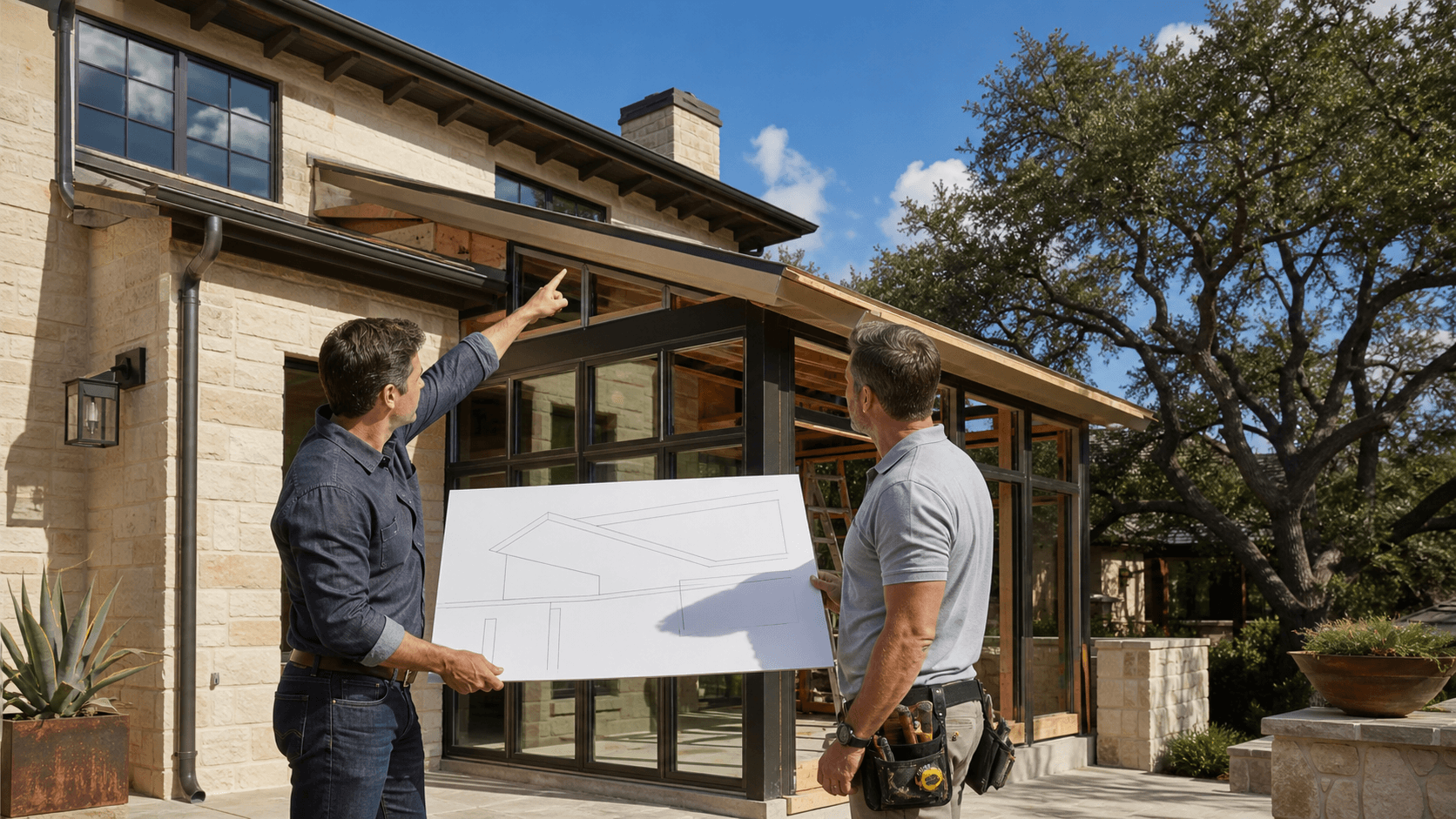
Roof pitch is the slope of the roof, and it has a big effect on both appearance and water flow. A roof that is too flat, too steep, or poorly connected to the house can stand out for the wrong reasons. We study the home's architecture, available wall height, roof edges, and the feel you want inside before recommending a direction.
Several roof styles may work for a sunroom, depending on the home and the space available:
- A gable roof can create a taller, more open ceiling and a traditional look.
- A shed or studio-style roof can provide a clean, simple slope where wall height is limited.
- A hip roof may blend well with homes that already have multiple sloped roof sections.
- A custom roof plan can help the enclosure follow unusual rooflines, patios, or exterior walls.
Materials matter just as much as shape. Matching shingles, trim, fascia, flashing, and gutter colors helps the sunroom look connected to the original house. We also consider nearby windows, doors, eaves, and roof edges so the new framing does not interrupt the home's visual rhythm.
A properly designed slope also helps move rain off the roof during autumn storms and throughout the year. Before building, we assess roof intersections, eaves, current drainage routes, and the structural needs of the proposed enclosure. These details are easier to solve on paper than after construction has started.
Plan Drainage Before Autumn Storms Arrive
Water has a way of finding weak spots. At roof valleys, attachment points, and low areas where the sunroom meets the home, rain can collect if the roofline is not planned carefully. Good drainage protects the addition, but it also helps protect the siding, patio, landscaping, and foundation around it.
We treat flashing, gutters, downspouts, and grading as parts of one system. Flashing helps direct water away from roof connections. Gutters catch runoff along the roof edge. Downspouts carry that water away from the structure. Grading helps prevent water from lingering near the patio surface or foundation.
Before finalizing a sunroom design, take note of what happens outside during a heavy rain. Consider questions such as:
- Where does water currently run off your existing roof?
- Does water collect near your patio, doors, or exterior walls?
- Are gutters overflowing, loose, or missing where the sunroom may attach?
- Could a new roof section send water toward a walkway, planting bed, or low spot?
October rainfall can reveal drainage issues that are easy to miss after long, dry stretches. By evaluating those patterns early, we can plan a roofline that supports cleaner water flow instead of creating new trouble spots.
Balance Shade, Light, and Home Comfort
A sunroom roof does more than cover the space. Its height, direction, overhangs, and glass placement all affect how sunlight enters the room throughout the day. In Austin, that planning matters because bright sun can create glare and heat buildup if the room is not designed with comfort in mind.
A higher roof can make the room feel airy and spacious, especially when paired with windows or carefully placed glazing. On the other hand, a solid insulated roof system can limit direct overhead sun and support a more comfortable indoor feel during long stretches of heat. The right answer depends on how you want to use the room.
When we discuss roof options with you, we want to understand everyday life in the space. A room used for morning coffee may need different light control than one used for dinner, gardening, reading, or holiday guests. Thoughtful options may include energy-efficient glass, integrated shades, ventilation, roof overhangs, and roof orientation that considers the path of the sun.
Good roofline planning helps you enjoy natural light without making the room feel harsh at the hottest part of the day. It can also create a more useful space for the seasons Austin homeowners experience, from bright summer afternoons to mild evenings spent relaxing with family and friends.
Confirm Codes and Design Details Before Building
Every home has its own conditions, even when two houses look similar from the street. Before construction begins, we evaluate the proposed attachment area, roof structure, property layout, utility locations, drainage conditions, and other site details that may affect the plan.
Permits, local building codes, and neighborhood requirements can influence the final roof design. Structural loads, electrical plans, roof connections, safety glass, and weather protection may all need to be considered. Professional planning helps identify these items before they become delays or last-minute changes.
During the design phase, we encourage you to ask clear questions about the new space, including:
- How will the sunroom roof connect to the existing home?
- How will rainwater move away from the room and patio?
- Which roofing, trim, gutter, and flashing materials will be used?
- How will the design address sunlight, glare, and summer heat?
- What upkeep should you expect over time?
A custom design process gives us room to shape the roofline around your home instead of forcing your home into a one-size-fits-all enclosure.
Start Planning Your Austin Sunroom This Fall
Thoughtful roofline planning is the foundation of a beautiful, durable sunroom. When the pitch, materials, drainage, ceiling height, and sunlight are considered together, the finished space can feel connected to the home and comfortable for daily use.
Fall offers a practical window to inspect your current roofline, watch how water moves during rain, and think about how you want to use added living space next year. Planning ahead gives you time to make careful design choices before the busy spring building season arrives.
Bring Your Sunroom Plans Into Focus
At Creative Sunrooms, we help homeowners turn thoughtful ideas into comfortable, well-integrated spaces. See how our sunroom additions in Austin can complement your home's roofline and everyday needs. When you are ready to discuss your goals, contact us for a personalized consultation.