Enjoy Your Coastal View Without Fighting the Weather
A sunroom on the Texas Gulf Coast should feel like a front-row seat to the water and sky, not a punishment chamber. When the late summer sun is blasting, storms roll in out of nowhere, and the air feels thick and salty, a basic add-on room will not cut it. Many people end up with a space that is too hot, too bright, or leaking every time a storm blows through.
That is why weatherproof sunrooms designed for coastal Texas are different from generic rooms copied from milder places. They have to stand up to Gulf heat, humidity, wind, and salt, and still feel comfortable enough for morning coffee, football games, and holiday gatherings. In this article, we will walk through what actually matters, from structure and glass to layout and timing your project before storm season ramps up.
We have been designing and building custom sunrooms, patio enclosures, and similar spaces across Texas for decades, including along the coast from Houston and Galveston to Corpus Christi. We have seen what works and what fails fast, and we want to share the key features that keep a sunroom usable all year instead of turning into a hot box or a constant repair project.
Why Coastal Texas Punishes Ordinary Sunrooms
Coastal Texas looks gentle from a distance, but your home knows better. Late summer brings heavy sun that beats down for hours, humidity that sticks around all day, and quick changes from bright skies to pounding rain. Add salt in the air, and your outdoor structures take a hit.
These conditions expose weak spots in ordinary sunrooms very quickly. Common problems include:
- Glass that fogs or cracks under strong UV and temperature swings
- Frames that warp or loosen from wind and moisture
- Fasteners and hardware that corrode from salt air
- Walls and corners that grow mold when humidity gets trapped
- Rooms that feel like a greenhouse in the afternoon and never really cool down at night
A lot of this comes from shortcuts in design and materials, such as:
- Using non-coastal-grade aluminum that pits and stains too quickly
- Relying on basic, builder-grade windows that are not made for harsh sun
- Skipping thorough sealing where the new roof meets the existing house
- Ignoring drainage so water sits around the foundation or under the floor
Weatherproof sunrooms for this region must be planned as full systems tuned to the Gulf climate. That means thinking about wind, water, sun, and salt all at once, not just building a porch with glass walls and hoping for the best.
Core Features of a Truly Weatherproof Sunroom
The first step is a strong structure. Along the Texas coast, a sunroom has to be tied into your home in a way that stays solid when storms move through. That usually means:
- Reinforced framing designed for higher wind loads
- Secure roof connections and brackets that resist uplift
- Impact-resistant or laminated glass in key areas, where appropriate
- Proper flashing at roof and wall joints to keep wind-driven rain out
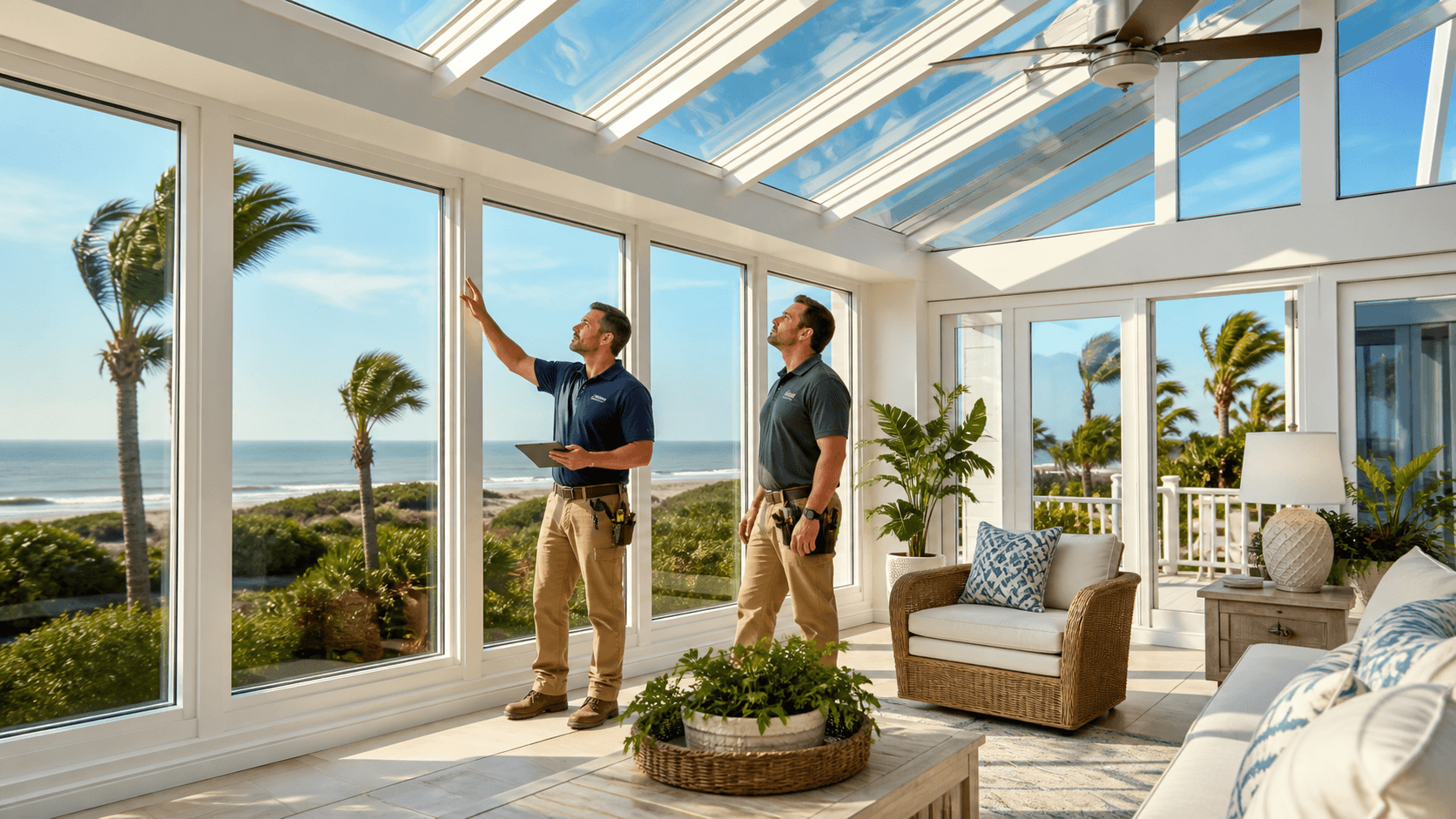
If the frame and roof are the bones, then the glass and insulation are the muscles that make the space livable. High-performance glazing matters a lot in our climate. Low-E glass helps cut solar heat gain, so your room does not turn into an oven by midafternoon. Insulated roof panels and thermal breaks in the framing help slow heat transfer, so the space stays closer to the temperature you want.
Weather sealing is another big part of making a sunroom weatherproof. We focus on:
- Top grade gaskets around glass panels
- Caulks and sealants that are rated for coastal exposure
- Redundant layers of sealing at doors and wall joints
- Roof designs that move heavy rain off the structure quickly
When all these elements work together, you end up with a sunroom that is easier to cool, holds temperature better, and is less likely to need repairs after every round of storms. That means fewer headaches and more hours you can actually enjoy the room.
Beating Heat, Humidity, and Salt Air Year-Round
Comfort on the Texas coast is about more than just air conditioning. Late summer and early fall can still feel like the middle of summer, so a good design helps your sunroom handle heat and humidity before your AC ever kicks on.
Shading and airflow make a big difference. We like to use:
- Roof overhangs that cut down harsh midday sun
- Integrated shading or tinting strategies to soften glare
- Ventilation options that let hot air escape at the top of the room
Mechanical solutions finish the job. When it makes sense, tying the sunroom into your home's HVAC helps keep the space steady and comfortable. In some situations, a mini-split system gives independent control, which can be helpful if you want different temperatures at different times of day. Ceiling fans and operable windows then work together to keep air moving, especially on those milder days when you want to open up and enjoy a cross-breeze.
Humidity and salt are the quiet troublemakers. We plan for them with:
- Corrosion-resistant framing and hardware
- Surfaces that wipe clean easily and do not absorb moisture
- Built-in drainage and weep systems so water never sits in frames or tracks
- Layouts and details that leave fewer dark, damp corners where mildew can grow
Put together, these choices give you a sunroom that still feels fresh when you walk in for early coffee, afternoon reading, game-day watch parties, or holiday get-togethers, instead of feeling sticky, stale, or full of glare.
Smart Design Choices for Coastal Style and Durability
A weatherproof sunroom also needs to look and feel right for your home. Along the coast, good design starts with orientation. We think about where your best view is, where breezes usually come from, and how to manage strong western sun that can blast through glass in the late afternoon.
Rooflines are another piece of the puzzle. The sunroom roof should work with your existing architecture, not fight it. At the same time, it needs the right pitch and detailing to move water away from the house and handle strong rain without pooling.
Material choices also play a big role in how the room holds up over time. We often recommend:
- Coastal-grade aluminum or composite framing
- Durable coatings that resist fading, peeling, and chalking
- Flooring that can handle sand, wet feet, kids, and pets without warping or staining
Flexibility is important too. Many homeowners want one room that can do a lot of things. With the right layout, your sunroom can work as a casual living area, a play space, a light-filled home office, or a spot for plants. Built-in screen systems, simple blinds, and layered lighting make it easy to shift from bright daytime use to relaxed evening gatherings without a lot of fuss.
When you invest in smart design and long-lasting materials from the start, you protect more than just the sunroom. You help guard your home's envelope, you spend less time on maintenance, and you make the whole property feel more complete, which can be a real plus in coastal Texas markets where outdoor living space is a big draw.
Plan Your Coastal Sunroom Before the Next Storm Season
Late summer is a smart time to think ahead. Storm activity can still be on your mind, kids are heading back to school, and many families start planning how they want their home to feel for the holidays and the next warm season. Getting a sunroom project moving now gives time to design around your specific site, schedule work around typical Gulf patterns, and avoid rushing when the calendar gets busy.
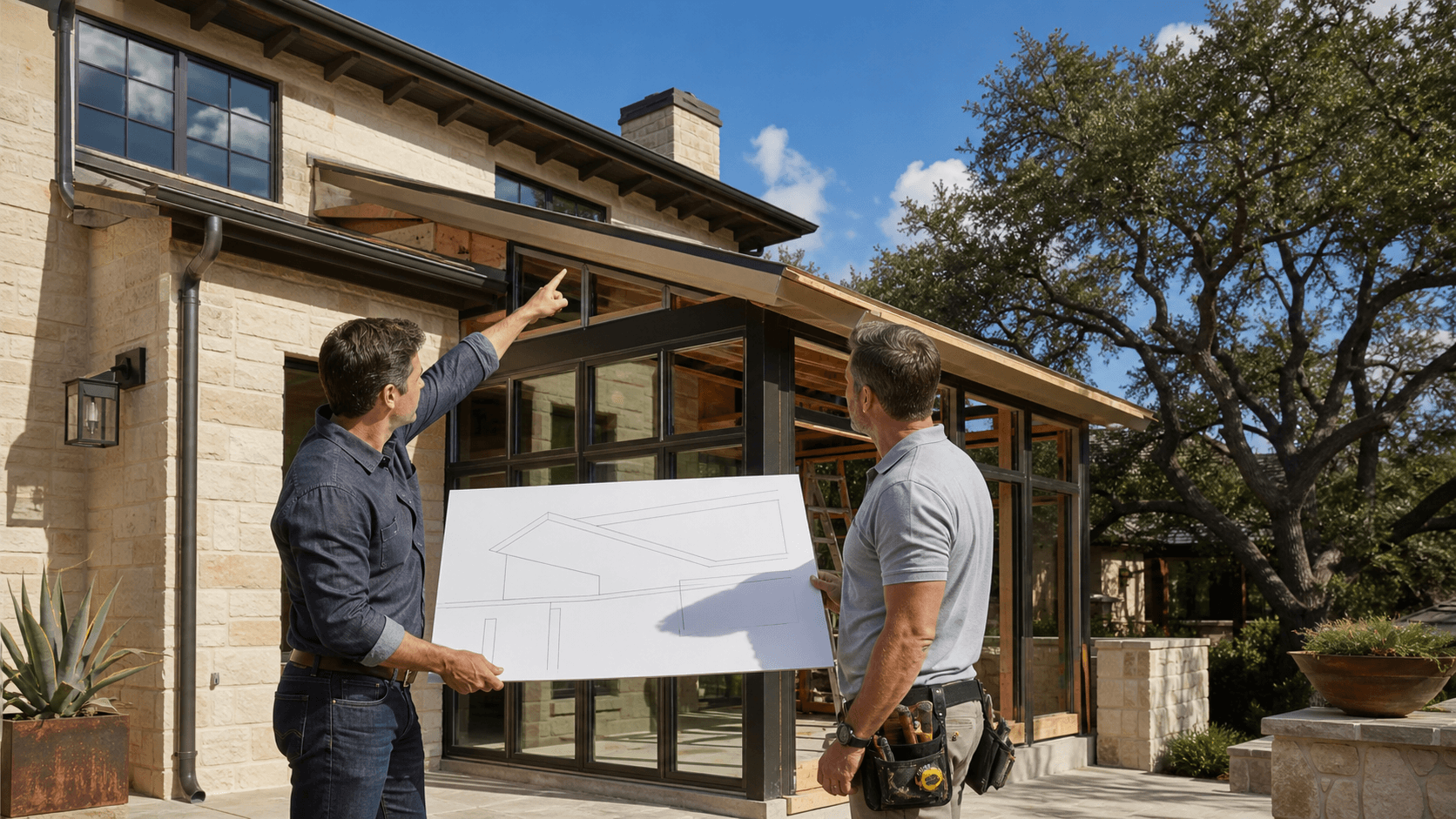
At Creative Sunrooms, we start by looking closely at your property. We pay attention to wind exposure, drainage, the direction of the sun, and how your current roof and walls are built. Then we talk about how you want to use the space and which features matter most in your particular coastal spot. Our long experience across Texas, including Gulf communities, helps us choose materials and details that have already proven themselves in high humidity and salty air.
When a weatherproof sunroom is planned this way, it becomes a natural extension of your home instead of a problem area. By the time next summer rolls around, you can be enjoying the Gulf views and breeze from a room that feels cool, dry, and protected, no matter what the forecast looks like.
Get Started With Your Project Today
Transform your home into a comfortable retreat in every season with our custom weatherproof sunrooms. At Creative Sunrooms, we work closely with you to design a space that fits your lifestyle, budget, and aesthetic. Tell us what you envision, and we will guide you through your options, from materials to layout. Ready to take the next step? Contact us to schedule a no-obligation consultation.