A sunroom is not just another room. It changes how you use your home, how you relax, and how you enjoy the Texas sun without feeling worn out by it. When people ask about sunroom cost, they usually mean the price tag, but what they really care about is what that cost gives them in daily comfort and long-term value.
We talk with a lot of Texas homeowners who start with a simple question and then realize there is a lot more going on behind that number. Climate, glass, structure, energy use, and even your existing patio all play a part. In this guide, we will walk through what most people overlook, so you can understand what you are really paying for and make choices that feel smart years from now, not just on installation day.
Decoding the Real Value Behind Sunroom Cost
Picture a late-September afternoon. The yard is bright, the sun feels strong, and you are sitting in a quiet, climate-controlled sunroom, cool drink in hand. A few months later, it is a mild, clear morning, and you are sipping coffee in that same room with soft natural light and no bugs. That comfort is part of the real value behind sunroom cost.
Most homeowners focus on questions like: What is the total cost? How long will it take to build? Those matter, but they leave out big pieces of the puzzle, like:
- How comfortable will the room feel at the hottest times of day?
- How much extra strain will it put on your AC?
- How will the room look and feel in a few years, not just in the first month?
- Will buyers see it as a real plus if you decide to sell?
Our team designs and builds custom sunrooms, patio enclosures, screen rooms, and outdoor living spaces across Texas, so we see where costs rise or fall in real homes. In the sections below, we will unpack what shapes your up-front budget, how Texas weather changes the rules, the less obvious construction details, and the long-term choices that turn a sunroom into a smart lifestyle upgrade.
Why Texas Climate Changes Your Sunroom Budget
Texas weather loves extremes. Intense sun, long cooling seasons, sharp swings between hot afternoons and cooler nights, and heavy rain in many areas all affect how a sunroom needs to be built.
Those conditions push certain features out of the "nice-to-have" category and into "must-have" if you want a room you will truly use:
- Quality insulation that slows down heat transfer
- Low-E glass that reflects a good share of solar heat
- UV protection that helps protect furniture and flooring from fading
- Shading strategies like overhangs or roof designs that block harsh angles of sun
Without these, a sunroom can turn into a bright but uncomfortable box that you avoid during large parts of the day. With them, the room feels more like a natural part of your home.
Wind and storms also matter. Many Texas homes deal with strong gusts, seasonal storms, and heavy rainfall. A well-planned sunroom will account for:
- Wind loads and structural strength
- Roof and gutter design that move water away from your home
- Proper drainage so water does not pool around the foundation
Meeting or going beyond building code in these areas can raise some construction costs at the start, but it can help reduce the risk of leaks, warping, and repair bills later.
Hidden Construction Factors That Raise Sunroom Cost
From the outside, a sunroom can look like "just adding walls and glass" to a patio. Behind the scenes, there is a lot more going on with structure and utilities, and this is where many homeowners get surprised.
Structural factors that often affect the budget include:
- Foundation work, such as building a new slab or reinforcing an old one
- Leveling an existing patio that has settled or cracked
- Properly tying the sunroom into the main house so it looks seamless and stays solid
Cities and suburbs across Texas usually require permits, inspections, and sometimes HOA approvals. That process can add:
- Application and permit fees
- Time for plan review and scheduled inspections
- Design adjustments to match local rules or community guidelines
Utilities are another quiet cost driver. Comfort features need power and, often, conditioned air, which may lead to:
- Extending or adjusting your HVAC system to handle the new space
- Running new electrical lines for outlets, lighting, and ceiling fans
- Possible upgrades to your electrical panel if it is already near its limit
These are not fun or flashy items, but they are what make the space safe, comfortable, and truly part of your home instead of a separate add-on.
Design Choices That Quietly Drive up Your Budget
Design is where your sunroom starts to feel personal. It is also where costs can creep up if you are not clear on your priorities.
Size, layout, and orientation all affect both cost and daily use. In Texas, common design questions include:
- Will the room face west and catch strong late-day sun, or north with softer light?
- Do you want a corner room with windows on two sides, or a long room along the back of the house?
- Do you want a simple rectangle, or a more complex wraparound shape?
Larger rooms with more glass and more complex shapes usually require more structure and materials. Orientation affects how hard the sun hits the room during peak hours and can influence whether you need more shading, higher-performance glass, or both.
Key style choices also shape sunroom cost and comfort:
- Three-season vs four-season style rooms
- Solid roofing vs mostly glass or skylight-heavy roofing
- Standard windows and doors vs custom sizes and configurations
A four-season style room with stronger insulation and higher-performance glass can feel more like a true extension of your home. A lighter three-season style room can feel more open to the outdoors. Both can be good choices, but they have different cost and comfort profiles.
Then there are the finishing touches:
- Flooring that stands up to Texas heat and sunlight, like certain tile or engineered products
- Integrated shades or blinds that fit the windows perfectly
- Skylights or transom windows that boost natural light
- Custom trim that ties the new room into your existing interior style
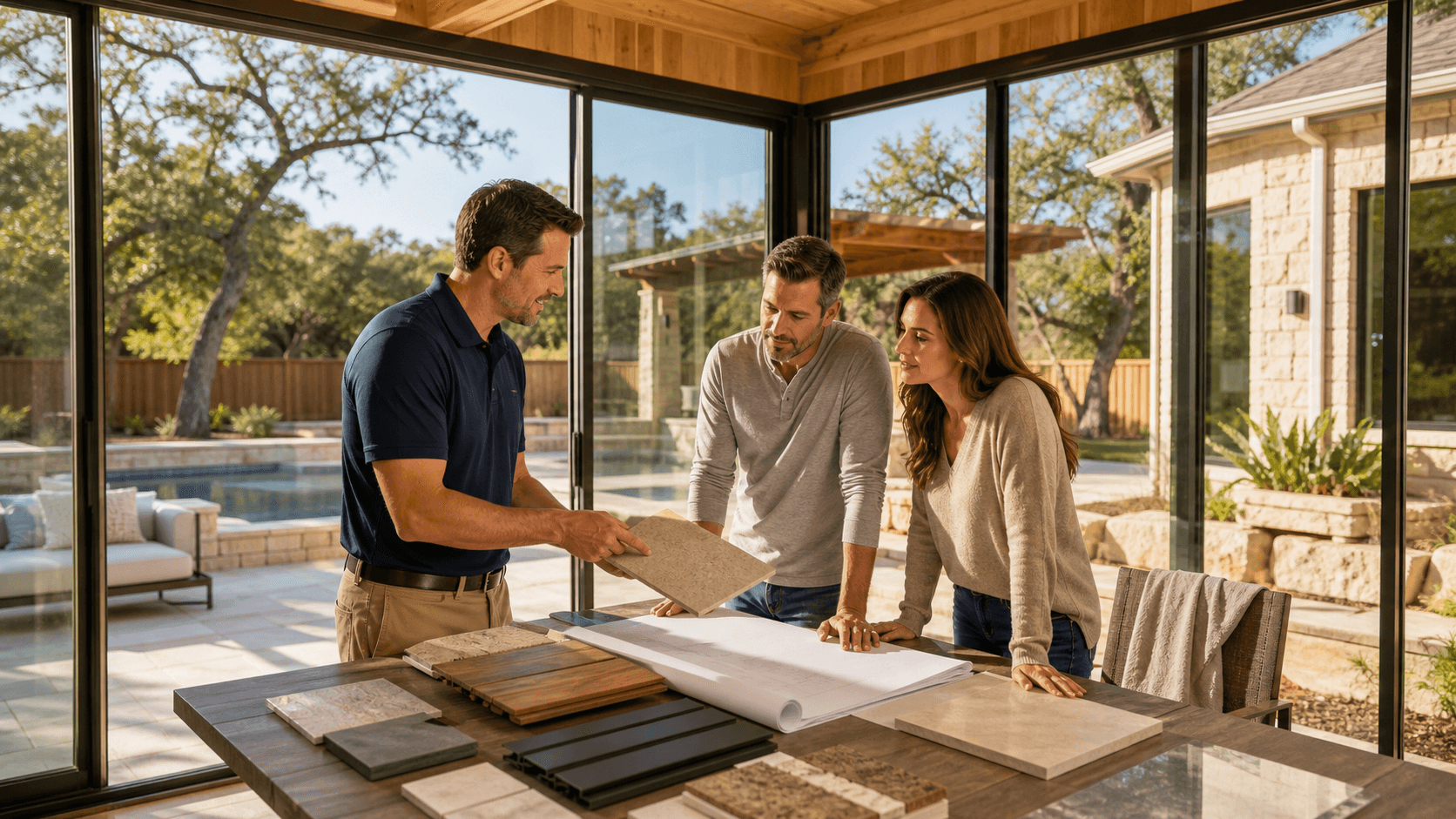
These details are where budgets can rise quickly. For many homeowners, it helps to decide which items are must-haves for daily comfort, and which are fun upgrades that can be added later.
Long-Term Costs: Energy, Maintenance, and Resale Value
What you spend on the room does not end on installation day. Smart choices during design and construction can lower long-term costs and raise long-term value.
Energy use is a big factor in Texas, especially with long cooling seasons. Thoughtful planning around:
- Wall and roof insulation
- High-performance glass and proper sealing
- A well-sized and properly connected HVAC setup
can help keep the space comfortable without forcing your AC to run nonstop.
Maintenance is another part of the real sunroom cost. Different materials and designs bring different upkeep needs, like:
- Cleaning and checking seals on windows and doors
- Keeping roof areas clear and drainage pathways open
- Wiping down framing and glass to remove dust and pollen
Choosing lower-maintenance framing materials and finishes can mean you spend less time and money keeping the room looking good.
On the value side, a well-designed, professionally built sunroom can add to:
- Daily livability, by giving you a bright, flexible space for relaxing, working, or hosting
- The sense of usable square footage, even if the official numbers do not change much
- Appeal to future buyers who like indoor-outdoor living but do not want to sit in direct heat or fight with bugs
The key is to treat the sunroom like a real part of your home, not an afterthought. When the design, structure, and materials all support long-term comfort, the cost starts to feel like a smart investment instead of just another project.
Smart Ways to Plan and Control Your Sunroom Cost
Planning is where you get control over sunroom cost before the first concrete is poured or the first frame is set. A simple step-by-step approach can make a big difference.
Start by getting clear on how you want to use the space across the year. Ask yourself:
- Will this be a daily hangout spot, a quiet reading area, or more of a special-occasion room?
- Do you want to use it during bright afternoons, or mostly in the mornings and evenings?
- Do you need it to feel like a full living room, or more like a breezy sitting area?
Once you know your use, set a realistic budget range and rank your priorities. In most Texas homes, comfort and durability should come first. That usually means putting money into:
- Good glass and insulation
- Solid structure and drainage
- Thoughtful orientation, shading, and HVAC planning
Style touches and décor can grow over time, but fixing heat, glare, or structural issues after the fact is much harder.
Timing can also help. Many Texas homeowners start planning in late summer and fall, when schedules begin to open up and people are thinking ahead to holiday gatherings or springtime. Starting early can give you more time to explore design options and understand any site-related costs from the beginning.
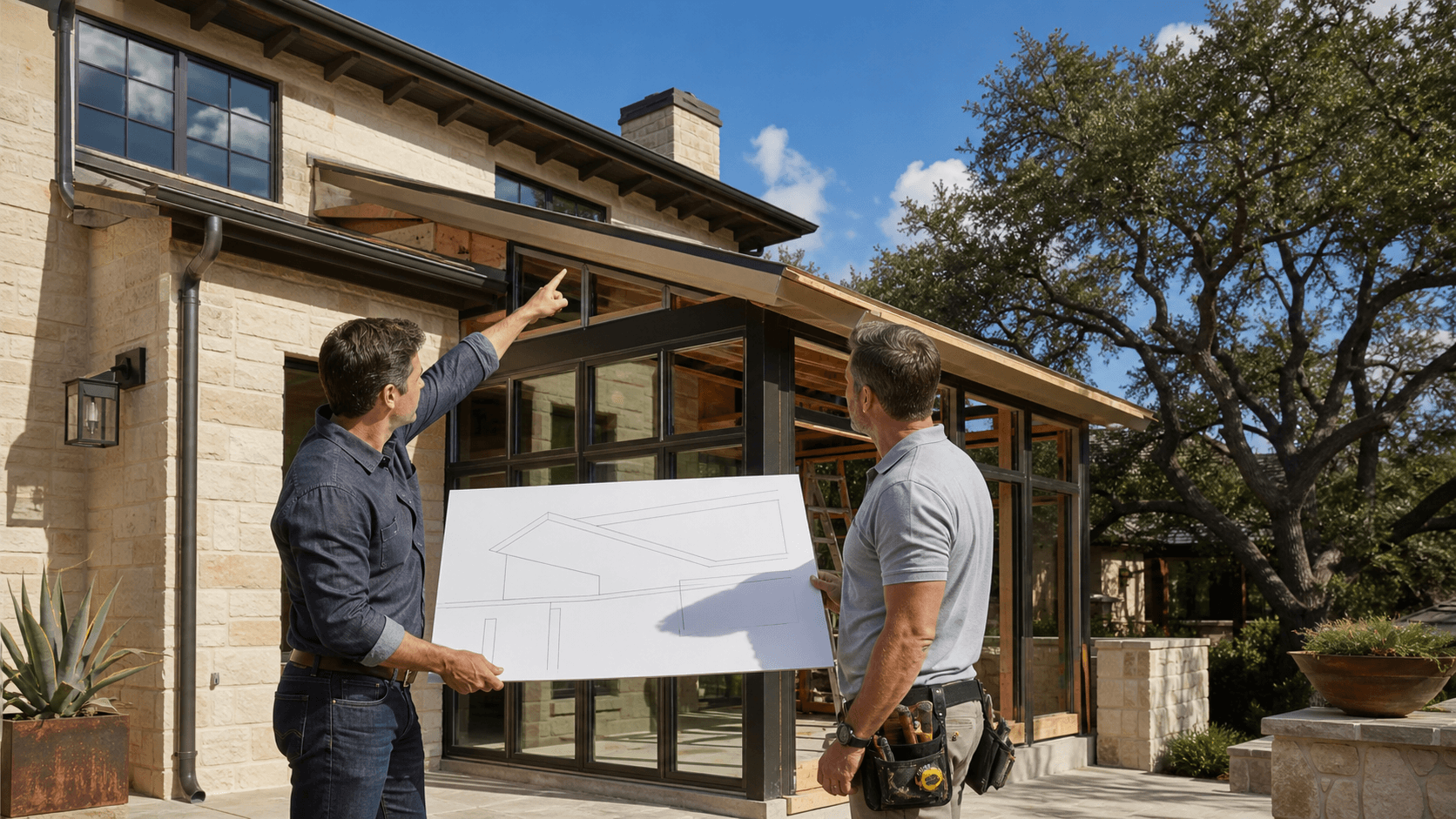
At Creative Sunrooms, we spend a lot of time on that early planning step. Walking the property, looking at sun angles, checking the existing slab or deck, and talking through your everyday routines can reveal cost factors before they surprise you. When those pieces are on the table, sunroom cost stops feeling like a mystery number and starts to look like a clear, well-planned investment in how you live at home.
Get Started With Your Project Today
If you are curious about what impacts your overall sunroom cost, we are ready to walk you through each option so you can plan with confidence. At Creative Sunrooms, we listen to your goals, evaluate your space, and provide clear recommendations tailored to your home and budget. Reach out to contact us and we will help you take the next step toward a sunroom that fits your lifestyle.