Save Tender Texas Plants Before Seasonal Temperature Swings
Mid-October is a smart time to look over your tender plants and decide which ones need a protected home for the coming months. In Texas, a quick shift in overnight temperatures, chilly rain, and strong north winds can stress tropical foliage, citrus trees, orchids, bougainvillea, hibiscus, and other sensitive plants faster than many people expect.
We often recommend planning ahead instead of moving pots back and forth between the patio, garage, spare room, and outdoors. A thoughtful plant room design gives your collection a brighter, easier-to-manage space that can also become a favorite part of your home. Whether you live in San Antonio, Austin, Bryan/College Station, Corpus Christi, the Rio Grande Valley, or a nearby community, the right enclosure depends on your property, sunlight, plant collection, and how you want to use the room all year.
Match Your Plant Room to Local Conditions
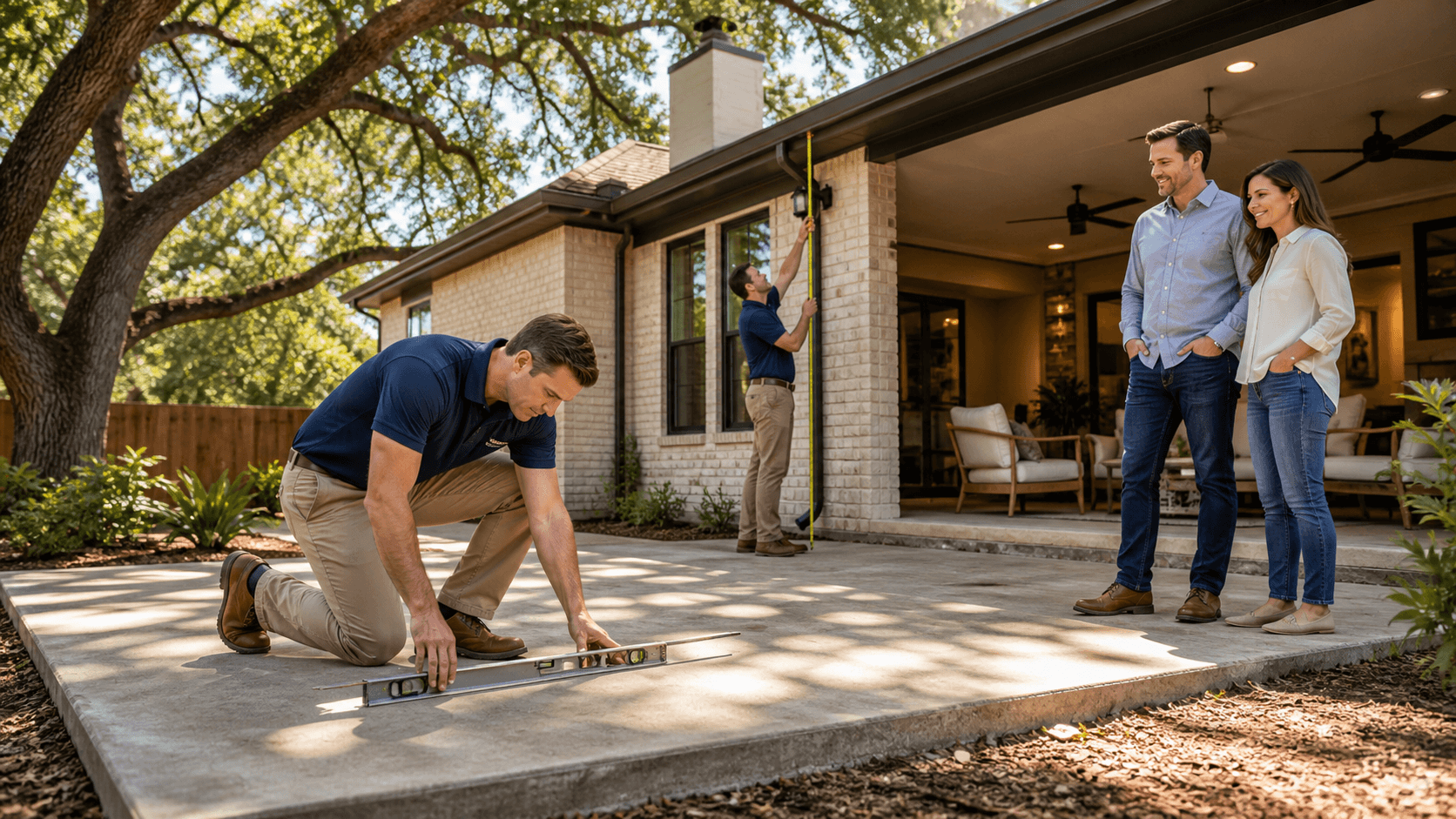
Not every Texas yard feels the same when the calendar turns toward late fall. An exposed patio may catch strong winds, while a low spot in the yard may hold damp air longer. The shaded side of a home can stay noticeably cooler than a sunny wall, too. Before we plan an enclosure, we encourage you to consider the conditions around the exact spot where the room will sit.
Pay attention to details such as:
- How much sun reaches the area in the morning and afternoon
- Whether the space is exposed to wind and rain
- Nearby trees, fences, and rooflines that create shade
- Low-lying areas where moisture tends to linger
- How close the room will be to your home's main living spaces
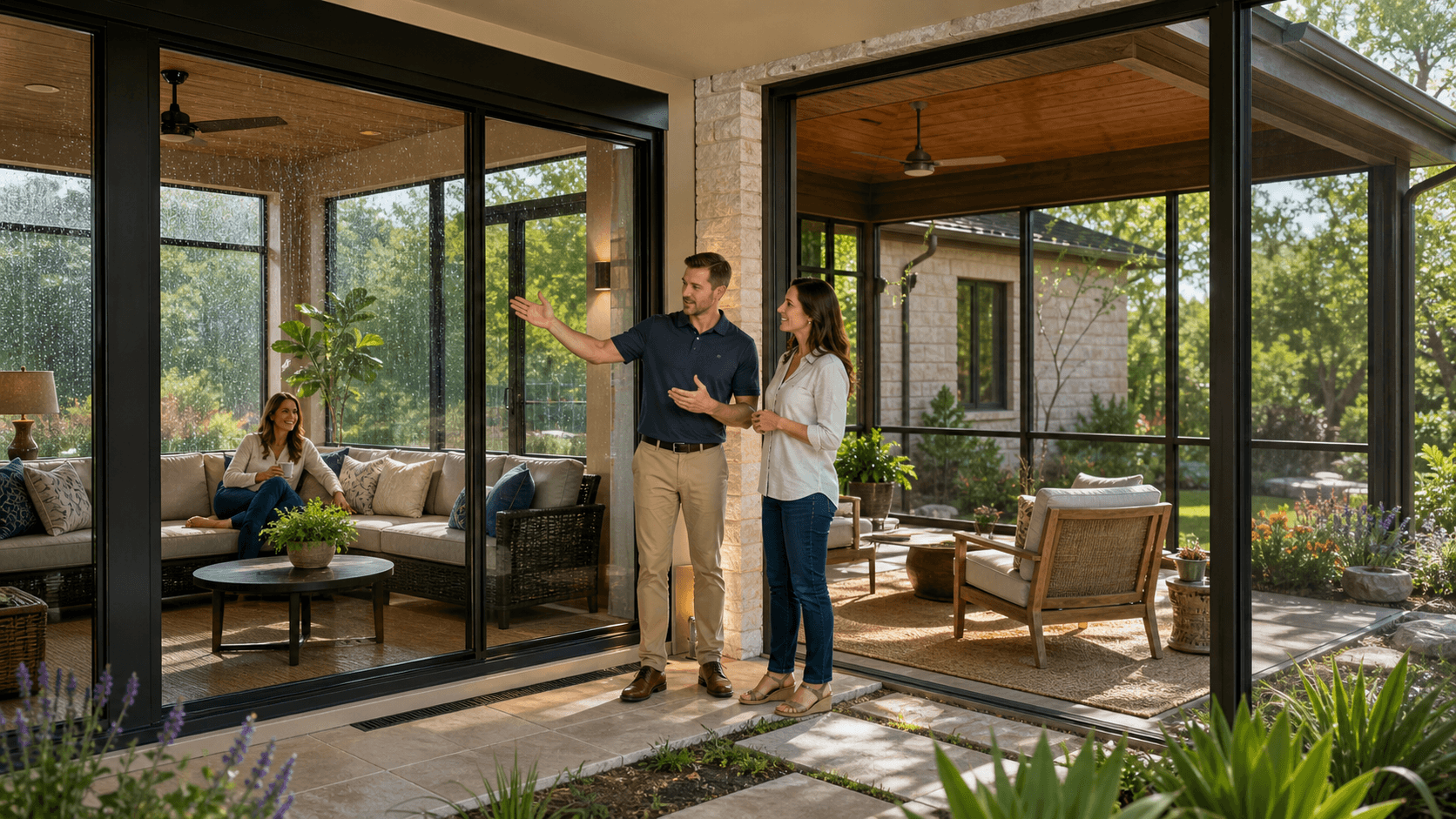
The enclosure type matters just as much as the location. A fully enclosed sunroom or a greenhouse with well-planned climate control can make sense for citrus, orchids, tropical plants, and larger collections that need more dependable conditions. A seasonal patio enclosure may be a good fit for plants that mostly need shelter from wind and wet weather.
Screen rooms and open patio covers can make outdoor areas more comfortable, but they are not designed to provide the same level of protection as an enclosed space. We help you think through that difference early, so the final room matches what your plants actually need.
Plan a Room That Works for Plants and People
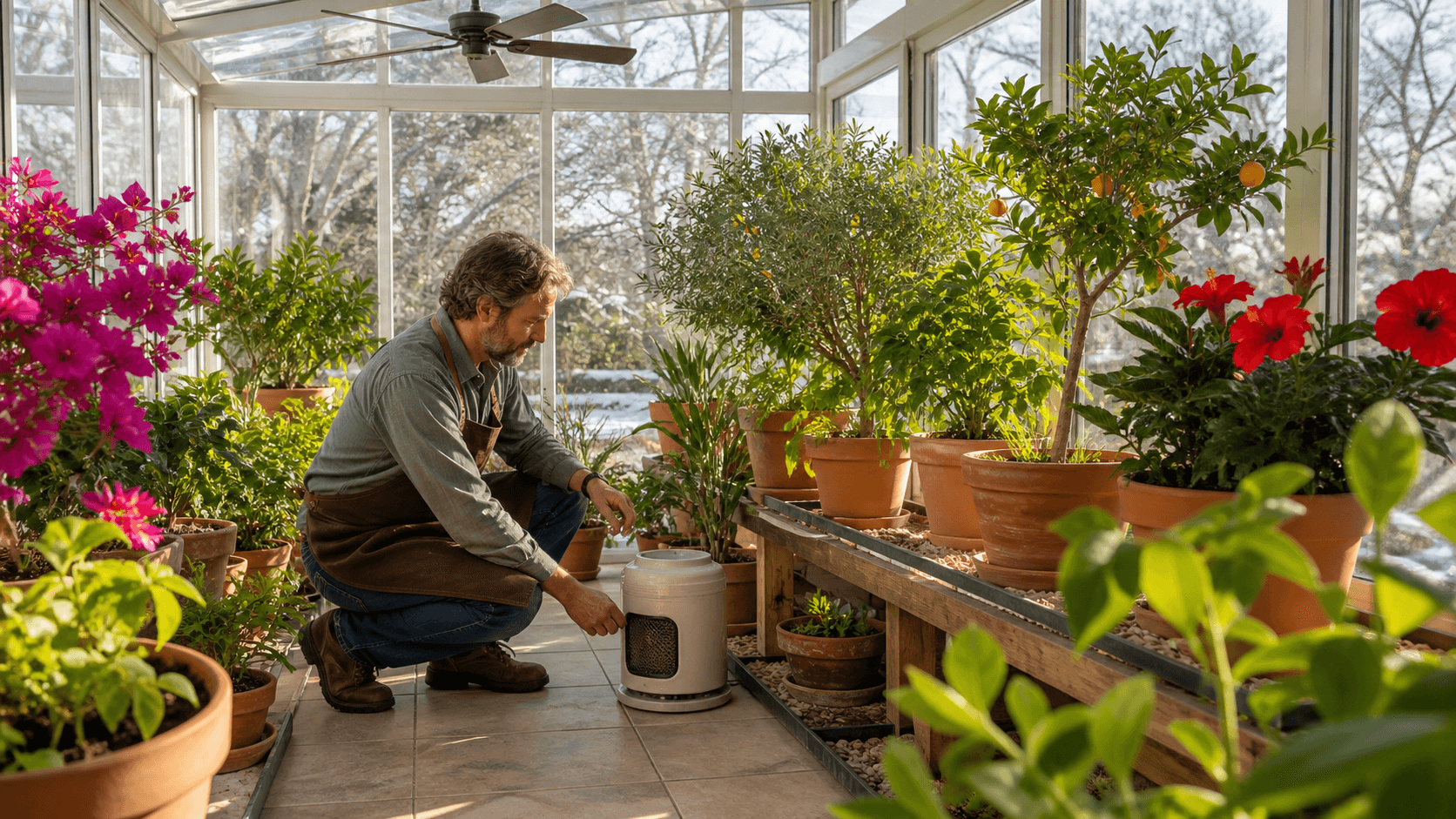
A plant-focused room can be practical and beautiful at the same time. Some families want shelves, potting surfaces, hanging plants, and plenty of open floor space for containers. Others want a sunny sitting area where greenery surrounds a breakfast table, reading chair, or gathering space.
Your plant room design should start with how you expect to use it. If your collection is the main focus, we can prioritize room for tall potted trees, sturdy surfaces, and easy access for regular care. If the space will serve as an everyday sunroom, we can balance plant zones with comfortable seating and clear walkways.
It helps to think about your plants at their mature size, not just how they look today. A small citrus tree or tropical plant can take up much more room over time. Planning for future growth keeps the space from feeling crowded after only a season or two.
Control Light, Air, and Changing Temperatures
Good plant rooms are designed around more than glass walls. Roof systems, windows, doors, framing, and seals all affect how quickly conditions change inside the room. Energy-efficient glass and insulated components can help create a steadier environment while limiting harsh afternoon sun.
Temperature control should be considered during the design stage, especially if you keep delicate plants that need more consistent conditions. Depending on the size of the room and the collection, a professionally planned system may be appropriate. We also recommend thinking about air movement, since still, damp air can lead to lingering moisture on leaves and soil.
A well-rounded plan may include:
- Operable windows for fresh air on mild days
- Roof vents or exhaust options to release trapped heat
- Fans that keep air moving around dense plant groupings
- Adjustable shades for strong sun exposure
- Placement zones for plants with similar moisture needs
Humidity deserves attention, too. Texas weather can move quickly from damp conditions to bright sunshine, and different plants respond in different ways. Rather than trying to create one setting that suits every species, group plants with similar light and moisture preferences. Orchids may need a different corner than succulents, while tropical foliage may be happiest away from intense direct sun.
Set up Light, Water, and Care Zones
Before choosing where every pot will go, watch how sunlight moves across the space. South- and east-facing areas can provide useful daytime light, while west-facing glass may bring stronger late-day sun. Adjustable shades help you fine-tune the room as the sun angle changes through the year.
Taller plants and small trees often work well on the floor near bright windows. Smaller pots can live on shelves, plant stands, or hanging systems that make use of vertical space. We recommend leaving enough open room to rotate containers, inspect leaves, prune growth, and water without squeezing around furniture.
Water management is especially important when plants share space with family activities. Durable flooring, moisture-resistant finishes, trays beneath containers, and convenient access to water all make routine care simpler. Thoughtful drainage and cleanup planning also help protect floors and keep the room pleasant for everyone.
Turn Seasonal Plant Care Into a Lasting Space
The best time to plan is before a sudden weather change makes plant protection feel urgent. Start by taking inventory of the plants you want to keep, measuring their current and expected size, and deciding whether the room should be mostly for growing or shared with everyday living.
A custom sunroom, patio enclosure, or greenhouse can give your plants a more dependable home while adding a bright retreat to your property. When the layout, light, airflow, and water needs are considered from the beginning, your protected plant space can stay useful and enjoyable through every season.
Give Your Plants A Purpose-Built Retreat
Creative Sunrooms can help you shape a plant room design that supports your favorite tender plants and fits your home. Our team can discuss the features that matter most for your growing goals, from glazing and ventilation to convenient access. Ready to start planning? Contact us to discuss your project.