A new sunroom or patio enclosure can give you more space without losing the connection to your backyard. The main choice is whether you want an all-weather room with steadier indoor comfort or a three-season room that keeps a lighter, more open-air feel.
Neither option is automatically better. At Creative Sunrooms, we help Austin homeowners think through how they want to use the room, how much sun reaches the patio, and how Texas heat, humidity, rain, and allergens affect their comfort. Fall is a great time to enjoy your current outdoor space, notice what is missing, and plan ahead before next summer's strongest sun returns.
All-Weather Rooms in Austin Handle More Climate Swings
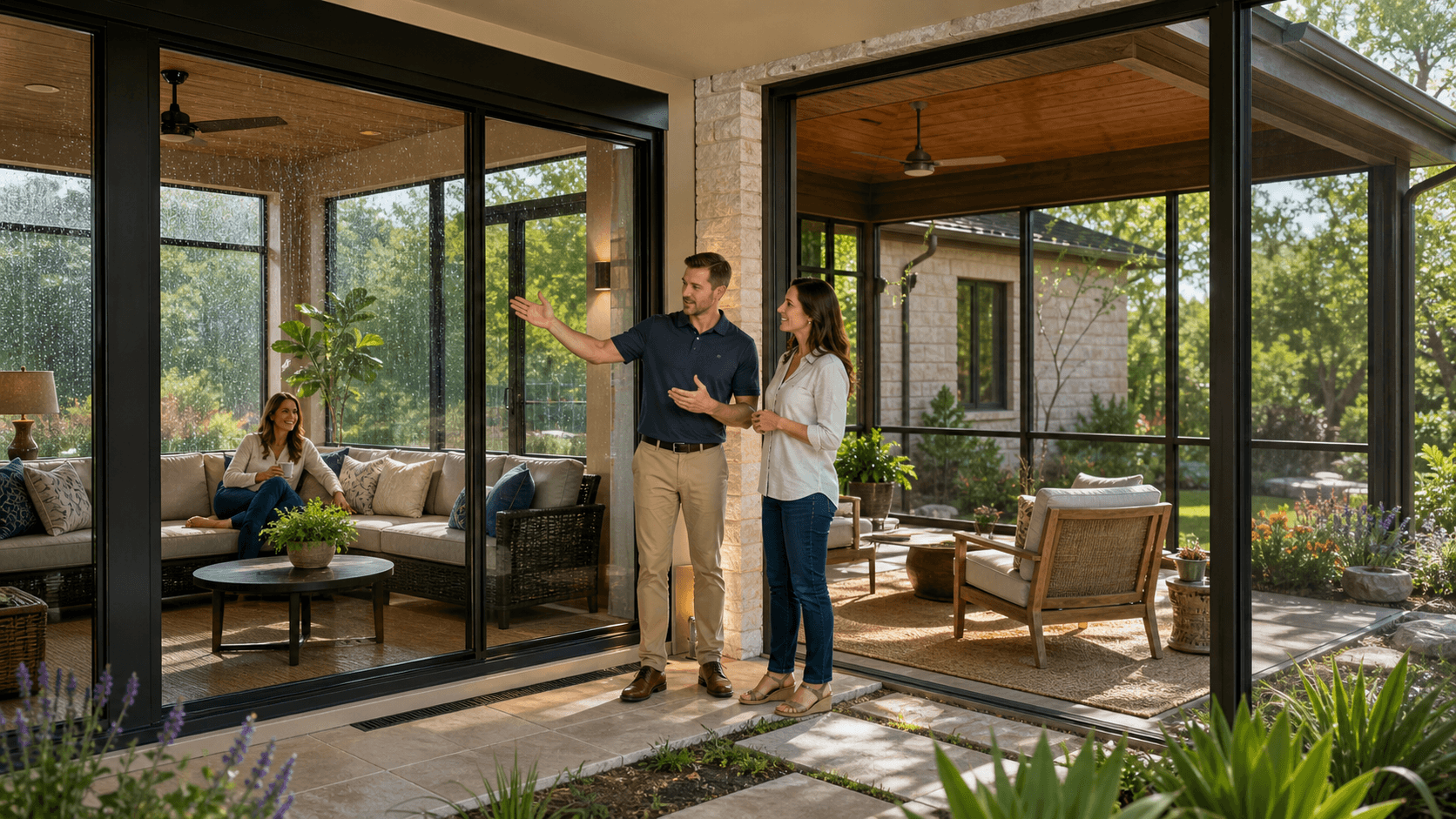
All-weather rooms in Austin are enclosed spaces designed for more dependable use throughout the year. They bring in natural light and backyard views while providing more separation from outdoor conditions than a screen room or lightly enclosed patio.
For a room to feel comfortable during bright, hot afternoons and humid days, we may plan for features such as insulated walls, durable roofing, energy-efficient windows, and connection to the home's heating and cooling system when appropriate. The final design should match the home and the way you plan to use the space.
Austin weather can change quickly. Strong UV exposure, sudden rain, high humidity, pollen during cedar season, and windy days can make a patio feel less inviting. A more fully enclosed room helps limit those interruptions, so you can enjoy the space more often.
Many families use an all-weather room as:
- A family gathering space with room for comfortable seating
- A quiet home office with natural light
- A dining area that opens toward the backyard
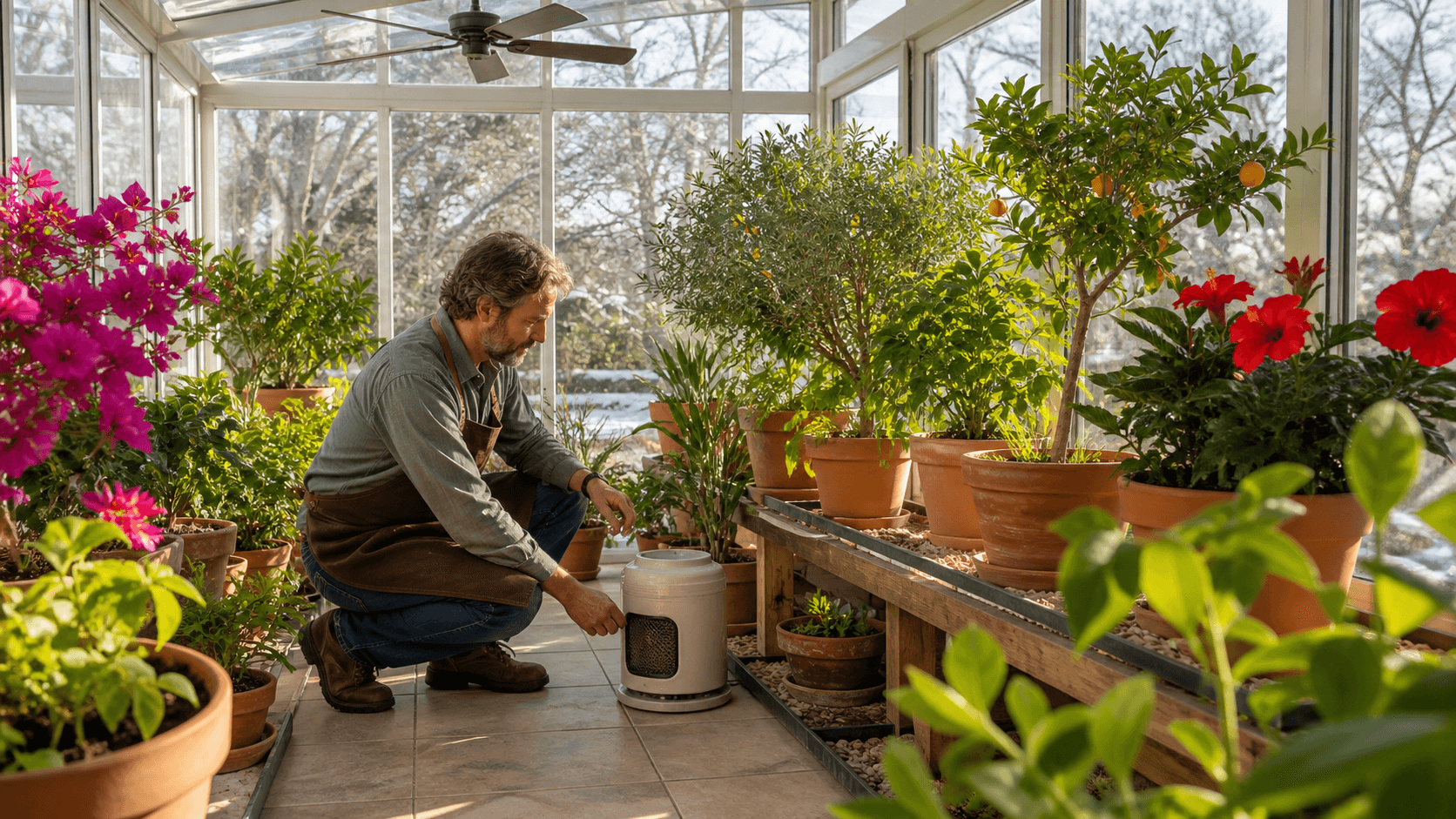
- A hobby room, reading nook, or plant-filled retreat
- A flexible room for everyday lounging and entertaining
The best design starts with daily life. We consider furniture placement, outlets, lighting, airflow, privacy, and how you will move between the house, room, and yard.
Compare Comfort, Investment, and Daily Use
Comfort is often the clearest difference between these two room types. An all-weather room usually offers stronger insulation and greater protection from direct sun, humidity, and outdoor temperature changes. A three-season room feels closer to the outdoors, which is exactly what some homeowners prefer.
Before choosing, think about the times you most want to use the room. If you hope to relax there during peak summer afternoons, work from the space during the day, or use it as regular living area, greater climate control may matter a great deal. If your goal is coffee on pleasant mornings, casual dinners, and fresh-air gatherings during spring and fall, a three-season room may be a natural fit.
The project investment also depends on the design. Three-season rooms may need fewer materials related to insulation and climate control. All-weather rooms can involve more detailed planning for glazing, walls, roofing, electrical work, and mechanical systems. Instead of focusing only on the initial scope, we recommend considering how often the room will be used and whether it will meet your needs over time.
Plan Your Room Around Austin Daily Life
A custom room should respond to your specific patio and property, not follow a one-size-fits-all plan. For all-weather rooms in Austin, we begin by discussing how much direct sunlight reaches the area, whether the space faces the afternoon sun, and how the room will connect to the rest of the home.
Useful questions to consider include:
- How many months do you expect to use the room?
- Will the room need heating and cooling for your preferred level of comfort?
- Is this a quiet retreat or a high-traffic gathering space?
- Do you need clear views of the yard, more privacy, or both?
- What activities need dedicated lighting, outlets, or storage?
Site details make a real difference. Nearby trees can provide welcome shade, while rooflines and drainage patterns can affect the room's layout. The size and condition of an existing patio also help shape the plan. Window placement, ventilation, doors, and shading choices should work together to bring in light without making the room feel exposed to the strongest sun.
Finishes deserve attention early, too. Flooring, ceiling treatments, fans, lighting, door styles, and furniture layouts can make the new room feel connected to the rest of your home. When these choices are part of the design conversation from the start, the room is more likely to support your routines instead of becoming a space you rarely use.
When Three-Season Rooms Make Sense
Three-season rooms are a strong choice when you want more protection than an open patio but still enjoy the sights, sounds, and airflow of being outside. Screens or lighter enclosure systems can help keep out insects, windblown debris, and light rain while preserving an airy feel.
For many Austin households, this style of room creates a comfortable bridge between indoor living and the backyard. It can be a welcoming place for casual entertaining, outdoor meals, game nights, weekend reading, or a quiet cup of coffee before the day gets busy.
Because a three-season room is less insulated and less climate-controlled than an all-weather room, its comfort will depend more on shade, fans, room orientation, humidity, and the conditions outside. During the hottest parts of summer, the space may not feel like a fully conditioned room. That is not a drawback when the goal is seasonal outdoor enjoyment, but it is important to set the right expectations before selecting a design.
Choose the Room That Fits Your Routine
The right room is the one that supports the way you actually live. If you want dependable space for work, meals, hobbies, and everyday relaxation, an all-weather room may better suit your plans. If you value breezes, backyard views, and a relaxed gathering place during pleasant parts of the year, a three-season room can be an excellent addition.
Fall is a practical time to assess your patio, consider where sun and shade fall across the day, and decide what would make your outdoor living area more useful. A clear picture of your comfort needs, preferred uses, and home layout will help guide the best choice.
Enjoy Reliable Comfort in Every Season
Creative Sunrooms can help you compare all-weather rooms in Austin and find a design that supports year-round relaxation, entertaining, and everyday use. Our team will walk you through solid-roof options, insulation considerations, and features that suit your home. Contact us to start discussing your ideal outdoor living upgrade.