Beat the Texas Heat with a Smarter Sunroom Design
Energy-efficient sunrooms let you enjoy big sky views and bright natural light without feeling like you are sitting in a parked car in the sun. When the thermometer hits triple digits and the sun feels extra strong, a well-designed sunroom can stay calm, bright, and comfortable. That is the goal: enjoy the outdoors from inside, without sweating through the afternoon.
Many Texas homeowners love the idea of adding more glass and more light, but they worry the space will turn into a greenhouse in summer and feel unusable during the hottest part of the day. That worry is fair. If a sunroom is built without energy performance in mind, it often becomes the hottest room in the house, and it can push your AC to its limits.
We focus on creating energy-efficient sunrooms that work with the Texas heat instead of fighting against it. With the right glass, insulation, and smart design choices, you can have a space that feels open to the outdoors and still stays comfortable enough to enjoy, even when the afternoon sun is blazing.
How Texas Heat Impacts Your Home and Wallet
Texas heat is not shy. Long, hot summers, strong UV rays, and long hours of direct sun can turn any unprotected space into a hot box by mid-afternoon. The sun pounds on roofs, walls, and windows, and all that heat tries to move inside your home.
When a sunroom or patio enclosure is added without thinking about energy performance, a few problems show up fast:
- The room soaks up heat and becomes hard to use in the middle of the day
- Your AC has to work harder to fight the extra heat load
- Surfaces near the windows get too hot to touch comfortably
That extra heat does not just affect comfort. It also hits your wallet. A poorly insulated sunroom can cause your AC to run more often and for longer cycles, which can raise your energy use. Over time, hidden costs start to show up:
- Fading on furniture, rugs, and flooring from strong UV exposure
- Extra wear on your HVAC equipment from constant strain
- A "nice looking" room that no one actually wants to sit in during peak summer
When that happens, you are not getting the value you hoped for from your added space. The good news is that smart design can cut down on many of these issues before the first panel is even installed.
What Makes a Sunroom Truly Energy Efficient
An energy-efficient sunroom is not just one thing. It is a mix of glass, framing, insulation, and airflow that all work together. The goal is simple: pull in natural light and views, and block excessive heat from building up.
Key parts that impact performance include:
- High-performance glass, like low-E and double-pane options
- Insulated roofs and walls that slow down heat transfer
- Thermal breaks in the framing to reduce heat moving through metal parts
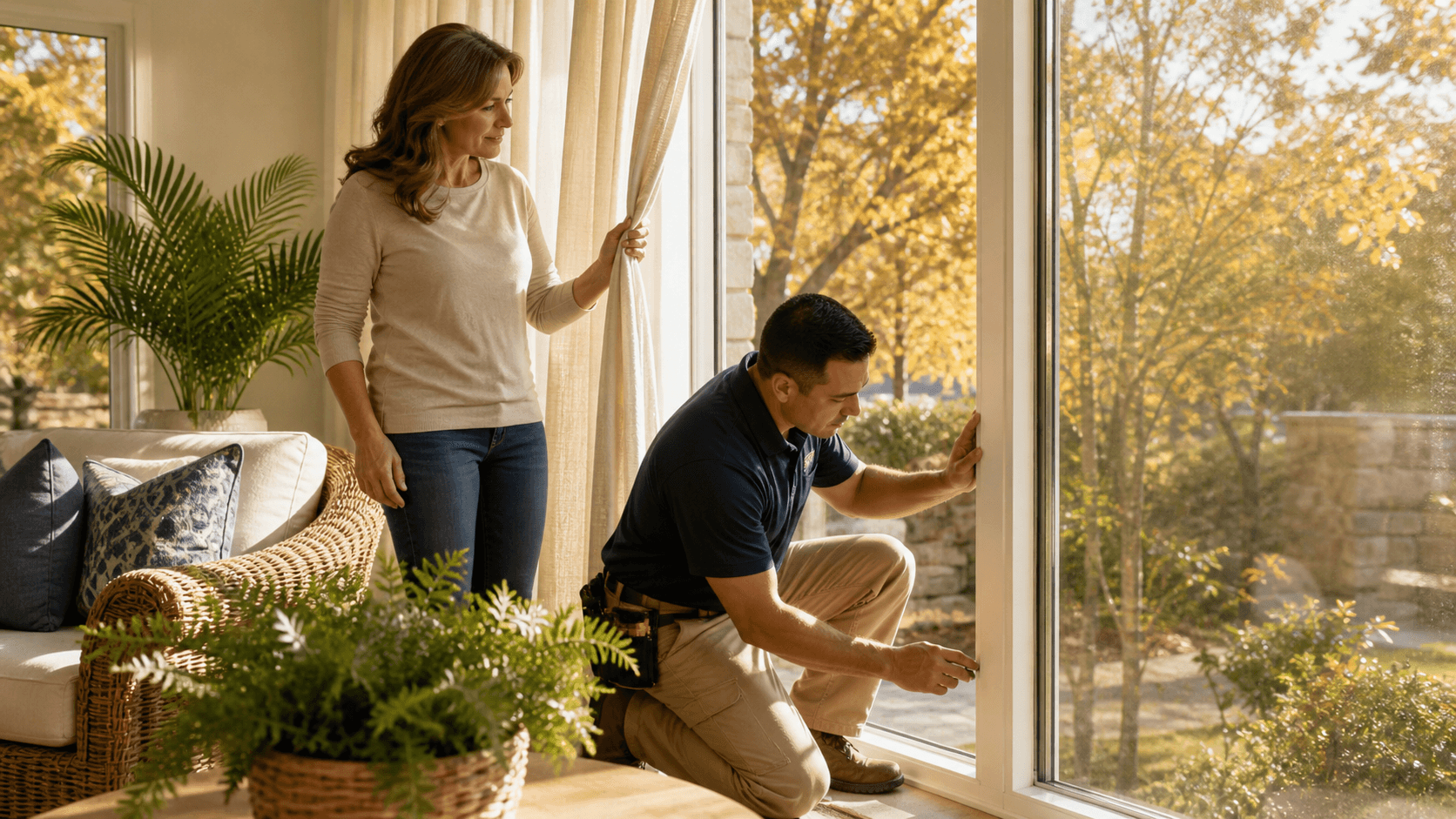
- Careful sealing around windows, doors, and joints to limit air leaks
The glass is a big piece of the puzzle. Low-E coatings can help reflect a portion of the sun's heat and UV rays while still letting in plenty of light. Double-pane or similar high-performance glass gives you an extra layer of protection, helping the space stay cooler and more stable in temperature.
Design strategy matters too. How a sunroom is positioned can change how it feels in July. Thoughtful design can include:
- Orientation that avoids direct blast from the strongest afternoon sun when possible
- Roof styles that block high overhead sun but still welcome softer light
- Overhangs or shade details that cut glare without darkening the room
When all these parts are planned together, the sunroom becomes a steady, comfortable space instead of a hot spike in your home's temperature.
Smart Sunroom Choices for Texas Summers
Texas summers call for extra-smart design choices. It is not just what materials you pick, but how everything is laid out and how the room can breathe.
A few design choices can make a big difference:
- Roof systems and overhangs that push back harsh midday sun
- Taller rooflines that let hot air rise away from seating areas
- Light-colored roof materials that do not absorb as much heat
Window placement also plays a big role. Thoughtful layouts might include:
- Operable windows on opposite sides for cross-ventilation
- High windows or transoms to let hot air escape when open
- Windows located to catch morning or evening breezes more than direct midday rays
Extra comfort features help too, especially for those long July and August stretches:
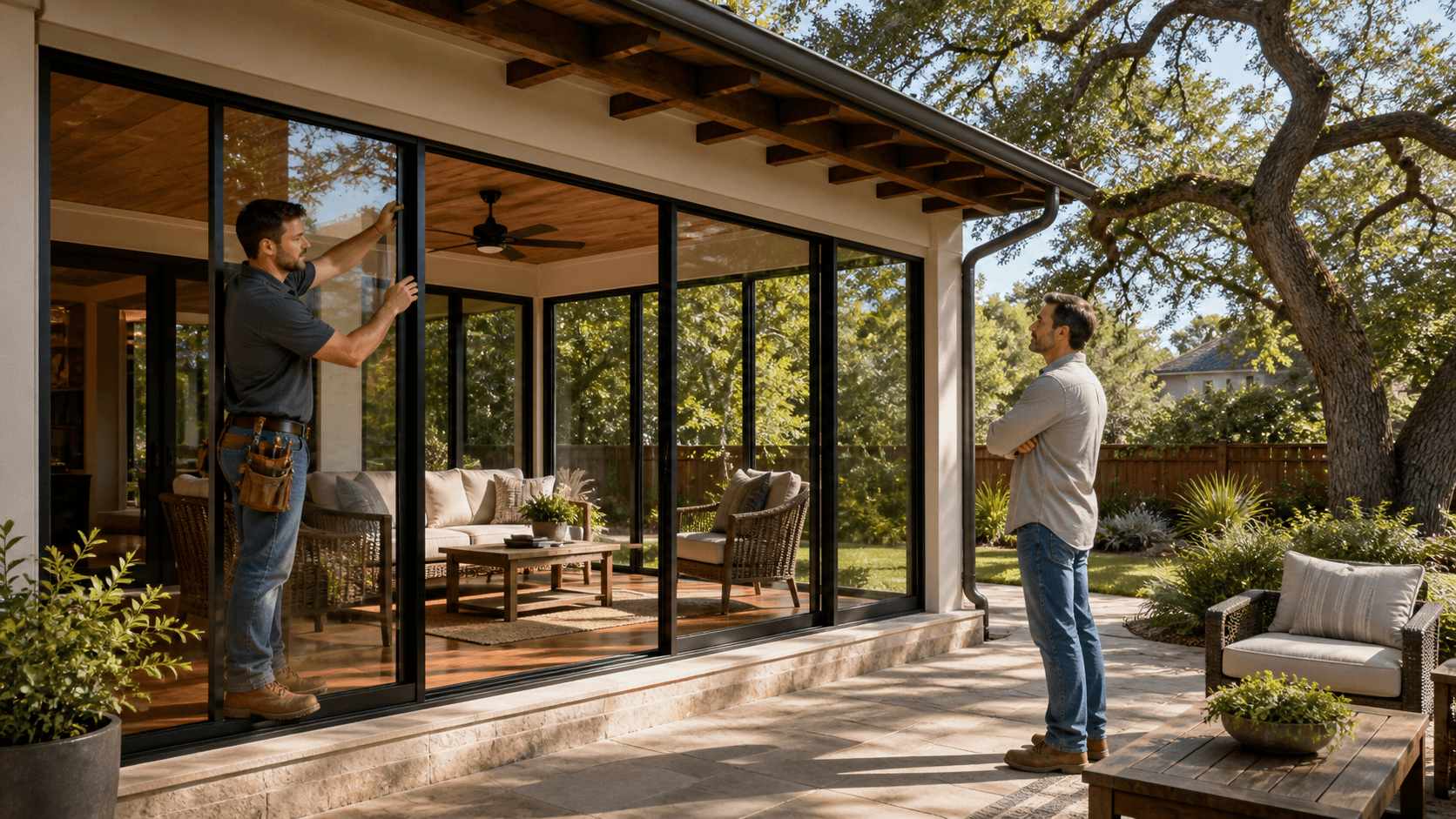
- Ceiling fans to keep air moving and make the room feel cooler
- Optional solar screens, interior shades, or tinting for flexible glare control
- Airflow planning that considers how your existing HVAC system handles the added space
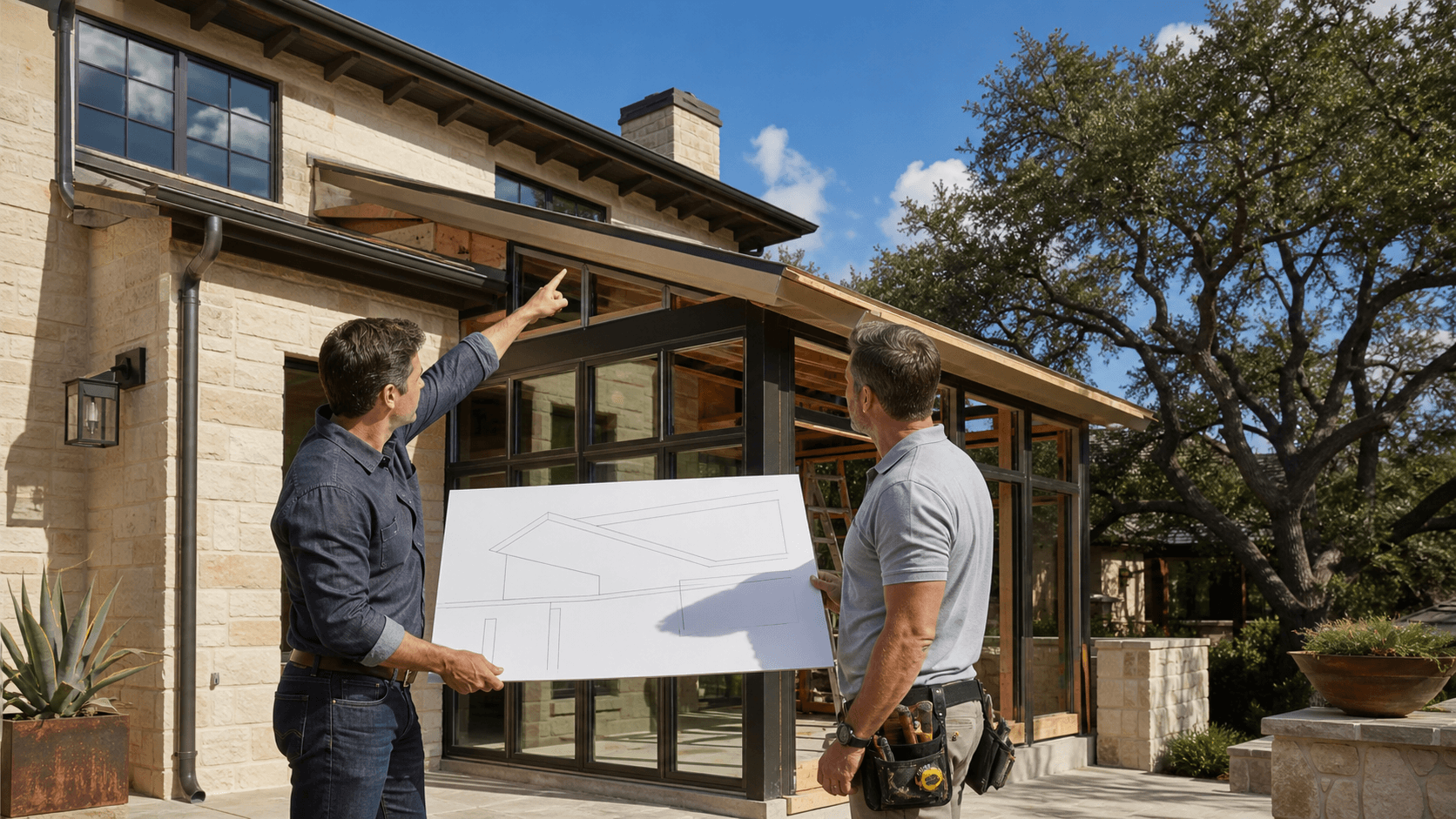
An experienced builder can look at your lot, your home's direction, nearby trees or structures, and how you plan to use the room. That way, the design fits your daily life instead of forcing you to work around the sun's schedule.
Long-Term Benefits of Energy-Efficient Sunrooms
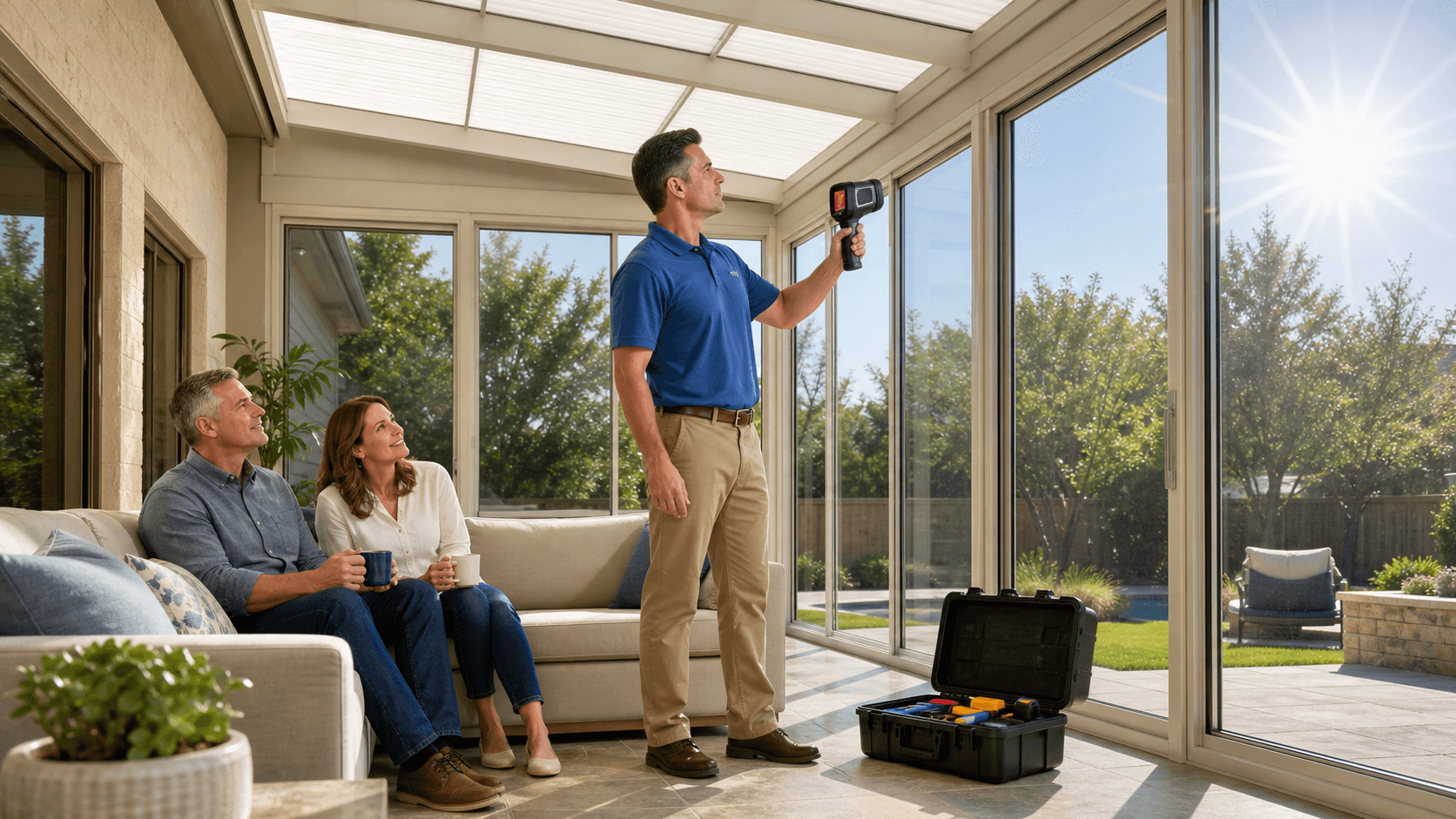
A sunroom should be a space you actually live in, not one you walk through once in a while. When it is built with efficiency in mind, you can enjoy it more often and at more times of day, including that 3 p.m. hour when heat usually peaks.
Comfort is the first big benefit. With the right setup, your sunroom can become a favorite spot to:
- Relax with a book or a cold drink
- Host friends or family without crowding the main living room
- Work from home in natural light instead of under harsh bulbs
There are long-term financial benefits too. Energy-efficient sunrooms can help:
- Keep energy use more stable by reducing sudden spikes in AC run time
- Lower wear on your HVAC system over the years
- Add attractive, usable square footage that can be a plus when it is time to sell
There is also a broader benefit for your home and daily life. Better control over heat and glare means less eye strain and fewer hot spots. Thoughtful ventilation can support better indoor air quality, greater comfort, and a more relaxed feel in the entire connected living area.
Plan Your Energy-Smart Sunroom Before the Next Heatwave
When the heatwaves roll through, most people feel stuck between staying indoors with the blinds closed or venturing outside to swelter. An energy-efficient sunroom offers a different path: fresh views, natural light, and a comfortable temperature that feels good all day.
This is a great time to look at how you are using your outdoor and indoor transition spaces. Ask yourself a few simple questions:
- Is there a patio or porch that sits empty during the hottest months?
- Do you avoid certain rooms in the afternoon because they get too much sun?
- Would a shaded, climate-aware glass room help you use more of your home more often?
At Creative Sunrooms, we focus on designs that make sense for Texas heat and for the way people actually live. With thoughtful planning and energy-smart materials, your next sunroom can stay bright, cool, and inviting through this summer and many more to come.
Get Started With Your Project Today
Transform your home with one of our custom-designed energy-efficient sunrooms tailored to your space, lifestyle, and budget. At Creative Sunrooms, we guide you through every step, from initial design ideas to final installation, so the process feels simple and stress-free. If you are ready to talk through your options or schedule a consultation, contact us today and let us help you create a sunroom you will enjoy all year long.